
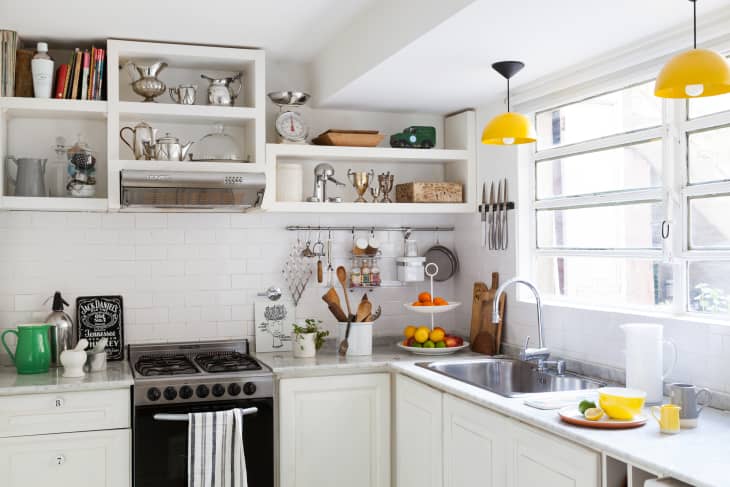
Embarking on a kitchen refresh does not require a lavish budget, it demands smart choices, and a handful of budget kitchen essentials will deliver the greatest return on time, taste, and longevity. Invest deliberately, and the kitchen becomes a nimble atelier rather than a cluttered storage closet.
The philosophy of frugal procurement
Buy less, buy better, and buy with intent. Quality matters most in items that see daily use, because durability offsets upfront cost. Prioritize tools that perform multiple functions, and avoid single purpose gadgets that languish in drawers. Think of your kitchen as a calibrated system; each component should reduce friction or enhance flavor. This mindset yields savings over months and years.
Cooking vessels that earn their keep
Cookware is the linchpin of any efficient kitchen. Choose a modest set that covers 80 percent of tasks, rather than a roomful of rarely used pots. A 10 to 12 inch stainless steel skillet offers searing, sautéing, and braising capability. It handles deglazing and reduction with poise. Add a 2 or 3 quart saucepan for grains and sauces. A larger stockpot, around 6 to 8 quarts, makes pasta and batch soups simple.
Cast iron is the archetypal value purchase. A well seasoned cast iron skillet sears, roasts, and bakes, and it can be passed down. It needs care, but it rewards with near-indestructible performance. Enameled cast iron pots cost more, yet they save time on maintenance for those who prefer low fuss. Choose pieces with thick bases for heat stability, since thin pans waste energy and cook unevenly.
Knives that transform prep
A sharp knife is more transformative than an expensive gadget. Invest in a reliable chef knife of about eight inches, and a paring knife for small tasks. These two alone enable most culinary activity. Learn to maintain the edge using a honing rod, and send knives for professional sharpening once or twice a year. A good knife reduces effort, increases safety, and shortens prep time.
Avoid purchasing large sets that include redundant blades. It is often cheaper and more efficient to buy one excellent knife than several mediocre ones.
Cutting surfaces and sanitation
A wooden cutting board for vegetables and a plastic board for raw proteins will simplify sanitation and protect knife edges. Wood has natural antimicrobial properties and it is forgiving on blades. Plastic boards can be sanitized in hot water and rotated through heavy use. Keep two boards in constant circulation to avoid cross contamination and to speed cleanup.
A bench scraper is inexpensive yet essential. It transfers diced ingredients cleanly, and it doubles as a dough manipulator. Use it to maintain tidy workspaces and to expedite mise en place.
Utensils that do the most
Select utensils that are durable and versatile. A heat resistant spatula, a set of tongs, a solid spoon, and a slotted spoon cover most stove top tasks. A whisk and a silicone spatula handle batters and emulsions. A wooden spoon does not conduct heat and is gentle on nonstick surfaces. Prioritize comfortable handles, because ergonomics matter when stirring for long periods.
Avoid single function gizmos. Instead, choose items that can be used interchangeably across recipes.
Affordable small appliances with high ROI
Certain small appliances provide outsized value and accelerate everyday cooking. An electric kettle boils water fast, which is useful for grains, blanching, and beverages. A blender with decent power creates soups, smoothies, and dressings in seconds. An immersion blender offers space saving convenience and blends directly in pots.
A basic rice cooker serves more than rice. It can steam vegetables, cook grains, and keep items warm. A slow cooker or an affordable multi cooker adds convenience for hands off meals; it turns tough cuts tender with minimal supervision. When selecting appliances, seek energy efficient models and those with straightforward controls.
Bakeware and versatile oven tools
A half sheet pan is one of the most pragmatic investments. Use it for roasting vegetables, baking chicken, and toasting nuts. A rimmed baking sheet doubles as a staging area for mise en place. A 9 by 13 inch baking dish offers casserole versatility. A rack for cooling or for roasting keeps food out of contact with fat and allows airflow.
Silicone mats extend the life of pans and reduce the need for disposable liners. They are cost effective over time, and they ease cleanup.
Storage solutions that reduce waste
Glass storage containers with lids are worth the investment. They store leftovers, show contents at a glance, and withstand repeated use without scent retention. Choose stackable shapes to preserve cabinet real estate. Mason jars are a frugal alternative for dry goods and for portioning sauces or dressings.
A set of inexpensive airtight containers curtails pantry spoilage and prevents pest incursions. Labeling with dates helps maintain first in, first out rotation and reduces the likelihood of tossing forgotten goods.
Pantry staples that punch above their weight
A purposeful pantry keeps dinner achievable on short notice. Stock quality olive oil, a neutral oil with a high smoke point, white and red vinegars, and soy sauce. Canned tomatoes are a foundational building block. Keep dried pasta, rice, and quick grains like couscous or bulgur on hand. Canned beans and lentils save time and money. A small collection of dried herbs and spices such as cumin, smoked paprika, oregano, and black pepper enable global flavors.
Preserved items like tomato paste, mustard, and anchovy paste concentrate flavor with minimal cost. A jar of good stock or a brick of concentrated bouillon will rescue numerous poised dishes.
Clever gadgets worth the modest spend
A microplane grater extracts maximum aroma from citrus zest and adds finesse to finishing. A box grater covers coarse and fine grating for cheese and vegetables. A good vegetable peeler is cheaper than replacing dull ones often. A sturdy colander and a fine mesh sieve are indispensable for draining and straining.
A manual citrus press or a simple juicer can coax out acid quickly and consistently. These devices are small, affordable, and their utility exceeds their price.
Buying used and finding bargains
Well maintained second hand items can be bargains. Cast iron skillets, stainless steel pans, and solid wood cutting boards often appear in thrift shops at low cost. Inspect for warping and for cracks, but otherwise many used items are gems. Local buy nothing groups and community marketplaces offer near new items at a fraction of retail.
When purchasing used, clean thoroughly and test functionality. For appliances, verify that replacement parts remain available.
Where to spend, where to save
Prioritize spending on items that touch food and that require durability. Knives, a good skillet, and storage containers are areas to invest. For single use accessories and novelty gadgets, spend less or skip entirely. Evaluate frequency of use as the primary metric: if it will be used weekly, buy quality; if monthly, consider economy options.
Remember that inexpensive items that break quickly create hidden costs in time, repair, and replacement. Balance sticker price with expected lifespan.
Maintenance to extend life and value
Care preserves value and reduces replacement frequency. Learn to season cast iron and avoid dishwashers for items that dislike harsh detergents. Use a mild detergent and a soft sponge for enameled or nonstick surfaces. Hone knives to maintain edge alignment, and send them for professional sharpening before they become dangerously dull.
Replace rubber gaskets and seals on appliances when worn; it preserves efficiency. Small maintenance tasks prevent premature obsolescence.
Energy and resource efficiency
Cook smart to save money beyond initial purchases. Use lids to speed boiling and reduce heat loss. Match pot size to burner size to avoid wasted energy. Batch cook to leverage residual heat and to reduce oven usage. When safe and appropriate, use a microwave to reheat efficiently rather than firing a large oven for a single portion.
Consider the total cost of ownership. Energy efficient appliances cost less to operate and can repay their small premium over time.
Meal planning and time saving protocols
A modest amount of planning reduces waste and saves money. Plan weekly menus that use overlapping ingredients to minimize open packages and to maximize freshness. Batch prepare grains and legumes, and portion into ready meals. Use leftovers creatively; roasted vegetables become salads, and braised proteins morph into tacos or sandwiches.
A simple shopping list derived from a meal plan prevents impulse purchases that erode budgets.
Cooking techniques that economize time and energy
Certain techniques deliver impressive results without long commitments. One pan methods minimize cleanup and energy use. Sheet pan dinners roast proteins and vegetables together, producing concentrated flavors with little active time. Simmering with a tight fitting lid reduces evaporation and shortens cooking time for many dishes.
Searing adds depth quickly, and deglazing with stock or wine creates a fast sauce without lengthy reductions. Little techniques like finishing with acid or a compound butter amplify flavor fast, reducing the need for prolonged simmering.
Budget friendly substitutions and hacks
Know the substitutions that preserve texture and flavor when pricier items are unavailable. Canned salmon in place of fresh can be used in patties and salads. Use pearl barley or bulgur in place of risotto rice for more economical grains that still deliver chewiness. Substitute Greek yogurt for cream where appropriate to cut cost and calories.
Making your own stocks from roasted bones and vegetable scraps is both economical and flavorful. Freeze reduced stock in ice cube trays for single use portions.
Seasonal buying and local sourcing
Seasonal produce is often cheaper and more flavorful. Buying in season allows you to prepare simple dishes that highlight natural abundance rather than relying on expensive imported items. Farmer markets can be economical at closing time when vendors discount remaining produce.
Cultivate relationships with local purveyors; they can recommend cost saving cuts and surplus items that are still excellent.
Avoiding disposable culture
Replace single use items with durable alternatives. Cloth towels are reusable and more absorbent than paper. Beeswax wraps or reusable silicone lids replace plastic cling film. A set of reusable produce bags reduces waste and saves money over time.
Small changes accumulate into meaningful savings over months.
Teaching and learning on a budget
Free resources abound for learning efficient cooking techniques. Public libraries offer cookbooks, local community centers host affordable classes, and reputable online tutorials provide visual guidance. Practice basic recipes and refine them. Skill reduces waste and minimizes reliance on convenience foods that are costlier per serving.
Aesthetic and presentation on a shoestring
You do not need expensive tableware to present food well. Simple white plates provide a neutral canvas. A well placed herb sprig or a drizzle of good oil elevates perception. Contrast textures and color for visual appeal. A thrifted serving bowl can become a signature piece at negligible cost.
Safety essentials that are inexpensive
A basic first aid kit, a reliable fire extinguisher, and non slip mats are modest purchases that protect people and property. Smoke detectors are essential and inexpensive; replace batteries regularly. Keep knives stored safely to prevent accidents, and ensure pots have secure handles.
Final practical checklist
- Purchase one good quality chef knife and a paring knife.
- Acquire a 10 to 12 inch stainless steel skillet and a 6 to 8 quart stockpot.
- Add a seasoned cast iron skillet if possible.
- Buy two cutting boards, one wooden and one plastic.
- Secure a set of essential utensils: spatula, tongs, wooden spoon, whisk, and ladle.
- Obtain stackable glass storage containers and airtight pantry jars.
- Invest in a durable half sheet pan and a 9 by 13 inch baking dish.
- Purchase a blender or an immersion blender and an electric kettle.
- Stock a pantry with olive oil, canned tomatoes, rice, dried pasta, canned beans, and essential spices.
- Use silicone mats and mason jars to save on disposables.
- Explore thrift stores and local marketplaces for quality used items.
- Maintain tools through regular cleaning and sharpening.
- Plan weekly menus to minimize waste and maximize overlap.
- Batch cook and portion meals to save time and money.
- Replace single use items with durable alternatives to cut recurring costs.
About the Author


