
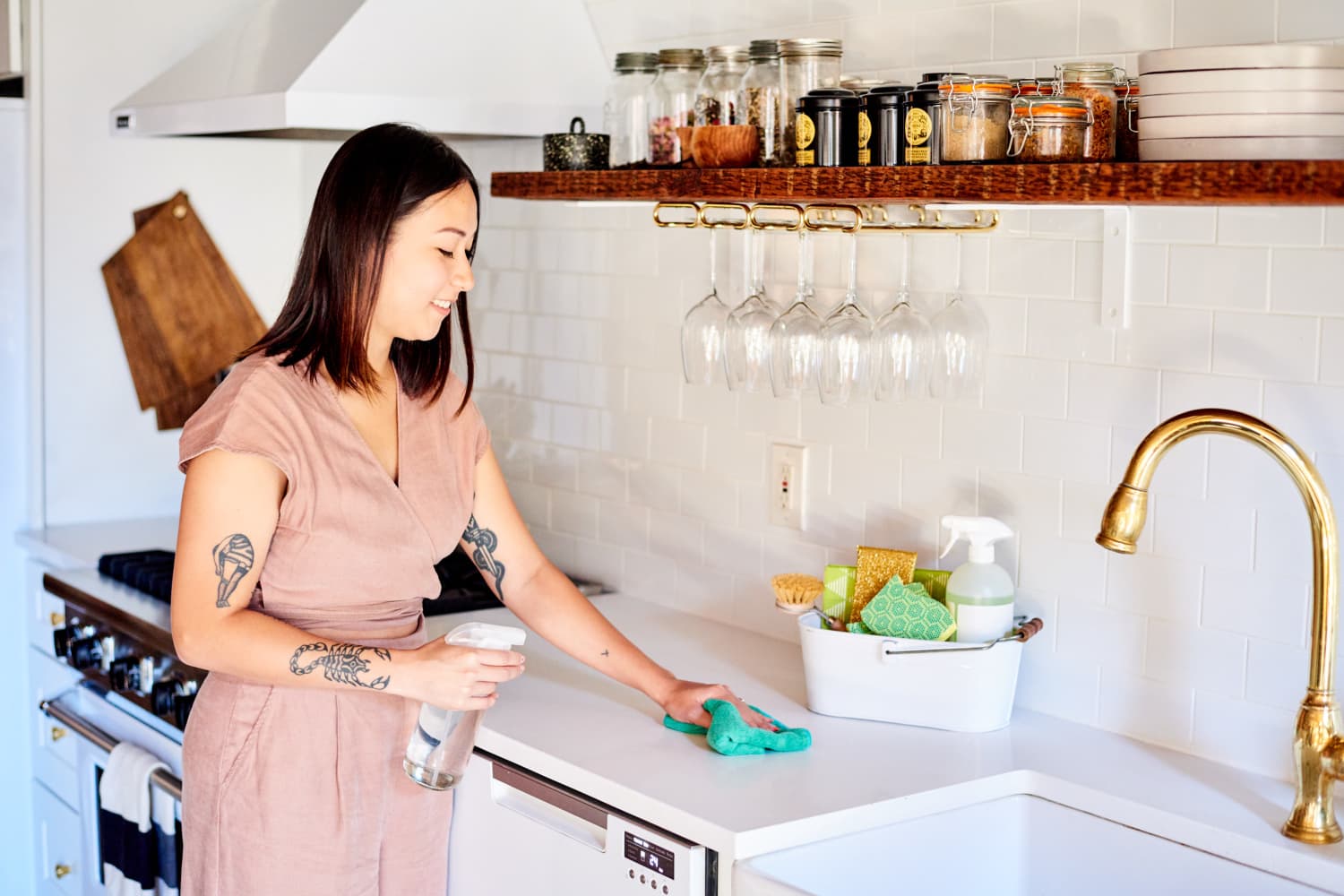
A pristine kitchen is not merely a visual delight. It is a sanctuary of order, functionality, and culinary inspiration. Maintaining cleanliness requires more than effort. It requires the right tools. With clean kitchen essentials arranged strategically and used consistently, surfaces gleam, utensils last longer, food preparation becomes more sanitary, and cooking transforms from a chore into an experience of calm efficiency. A clean kitchen cultivates health, beauty, and a sense of control that spreads through the entire home like a quiet breeze of reassurance.
Why a Clean Kitchen Matters
A kitchen is a laboratory where ingredients transform into nourishment. Messes can accumulate quickly, from crumbs to greasy smudges to food particles that hide in corners. A clean environment preserves the integrity of ingredients, prevents bacterial growth, and safeguards those who enjoy the meals prepared. Most importantly, a clean kitchen nurtures clarity of mind. Cooking becomes intuitive when each tool has a home, each surface stays polished, and there is a rhythm to maintenance rather than sporadic cleanup.
Cleanliness also influences motivation. A cluttered, sticky, or dusty kitchen discourages creativity and effort. Conversely, sparkling counters tempt you to chop fresh vegetables, whisk sauces, and bake bread. Order fuels inspiration. Cleanliness enhances productivity. Structure supports joy. With the right tools, all of this becomes effortless.
Microfiber Cloths and Reusable Wipes
Microfiber cloths are indispensable. Their dense fibers capture dust, grease, and microscopic debris with ease. They polish stainless steel appliances without streaks, wipe counters efficiently, and leave glass shining. Unlike disposable towels, they are durable and reusable, creating both environmental and financial benefits.
Different textures serve different purposes. Smooth microfiber polishes delicate surfaces. More textured weaves scrub away stuck residues while still protecting finishes. Having multiple cloths prevents cross contamination. Designate some for counters, others for appliances, and separate cloths for bathroom or dining areas. Color coding adds simplicity and removes confusion.
Dish Brushes and Scrub Pads
A dish brush provides leverage for scrubbing stubborn food remnants. Scrub pads tackle more tenacious residue, especially when food has hardened or caramelized. Choose brushes with replaceable heads and comfortable grips. Silicone bristles resist bacterial buildup and last long without shedding. Bamboo handles appeal to those who prefer eco friendly materials.
Scrub pads vary in abrasiveness. Non abrasive pads clean nonstick cookware safely. Stainless steel scrubbers remove heavy buildup on cast iron or stainless steel surfaces. Keep multiple scrub styles for varied tasks. Clean brushes frequently, allowing them to dry completely, ensuring hygiene and longevity.
Quality Sponges and Sanitizing Systems
Sponges remain ubiquitous in kitchens, yet they can quickly harbor bacteria if not handled properly. Choose high quality, odor resistant sponges that rinse easily. Antibacterial varieties offer extra assurance. Maintain sanitation by microwaving damp sponges briefly or soaking them in diluted vinegar. Replace sponges regularly.
A sponge holder increases air circulation and prevents stagnant water buildup. Drying surfaces prevent mildew and lingering odors. Thoughtfully designed storage elevates simple tools and keeps the sink area neat.
Dish Soap and Foam Dispensers
Dish soap is essential for grease removal and cleanliness. Selecting concentrated formulas reduces waste and creates efficient results. Fragrances should feel refreshing, not overpowering. Sensitive skin benefits from fragrance free or gentle formulas. Pair dish soap with foam dispensers to extend product usage and create long lasting suds.
Aesthetics matter. Uniform stainless steel or glass soap dispensers elevate the sink area, creating cohesion instead of visual noise associated with branded plastic bottles. Function and beauty can coexist harmoniously.
Countertop Spray and Natural Cleaners
An effective countertop spray removes grease, crumbs, and bacteria with each wipe. Multi surface cleaners streamline the process, providing consistency across marble, wood, stainless steel, and tile surfaces. Natural cleaners using vinegar or plant based surfactants appeal to those prioritizing non toxic living. Others prefer heavy duty antibacterial formulas for maximum sanitization.
Scents influence ambiance. Lemon evokes brightness. Lavender promotes calm. Unscented formulas prioritize purity. The right spray encourages frequent cleaning rather than avoidance.
Food Grade Sanitizers for Cutting Boards
Cutting boards are high traffic surfaces. They require deep sanitation, especially after contact with raw meat. Food grade sanitizers or diluted vinegar solutions eliminate harmful bacteria without damaging the board. Wooden cutting boards benefit from periodic oiling to prevent cracking and harboring moisture. Plastic boards can be sanitized with boiling water or dishwasher cycles.
Maintaining cutting boards ensures food safety, extends longevity, and preserves their smooth surfaces for elegant slicing.
Trash Cans with Lids and Odor Control
Trash cans should contain odors and resist spills. A lid prevents unpleasant smells and deters insects. Foot pedals enhance hygiene by reducing direct contact. Consider cans with bag securing mechanisms that prevent slipping liners.
Odor control inserts, charcoal filters, or baking soda pouches maintain freshness. Regular cleaning of the can interior is equally essential. Do not allow residue to accumulate. A clean trash area encourages tidiness in the rest of the kitchen.
Recycling Bins and Composting Systems
Modern kitchens embrace sustainability. Recycling bins separate paper, glass, plastics, and metals. Label each bin to avoid confusion. Compact designs fit into cabinets or under sinks. Freestanding recycling stations support larger households.
Composting bins collect food scraps efficiently. Charcoal filters prevent odor. Stainless steel pails offer durability and aesthetic appeal. Composting supports eco responsibility and reduces landfill waste, all while keeping the kitchen neat and conscious of environmental impact.
Broom, Dustpan, and Handheld Brush
Sweeping crumbs from floors and counters maintains daily cleanliness. A soft bristle broom removes dust and dirt without scattering particles. Dustpans with rubber edging glide against flooring, capturing debris efficiently. Handheld brushes sweep crumbs off counters or into small receptacles.
Store these tools within easy reach. Visible accessibility encourages frequent use, preventing crumbs from accumulating and attracting pests.
Vacuum with Precision Attachments
Traditional sweeping has limitations. A compact vacuum handles daily debris quickly and efficiently. Attachments reach under appliances, into corners, and between cabinet seams. Soft bristle vacuum heads remove dust from ventilation grates and shelves without scratching.
Cordless vacuums increase mobility, eliminating setup time and making quick cleanup effortless. Regular vacuuming prevents dust buildup and maintains air quality.
Mop and Floor Cleaning Solutions
Floors require periodic wet cleaning to remove grease, spills, and tracked dirt. Microfiber mop heads remove residue without harsh scrubbing. Steam mops sanitize using heat, eliminating bacteria naturally.
Floor cleaners should match surface type. Wood floors prefer gentle formulas. Tile floors may require stronger degreasers. A bucket with wringer control reduces water waste and prevents streaking. Launder mop heads frequently to preserve freshness.
Sink Strainers and Drain Cleaners
Sink strainers prevent food particles from clogging pipes. Choose stainless steel strainers that resist rust. Clean them after each use. Natural drain cleaners, such as biodegradable enzyme solutions, prevent buildup and keep pipes flowing smoothly. Avoid overpowering chemical products when possible.
A well maintained drain area prevents unpleasant odors and plumbing emergencies, preserving kitchen harmony.
Drying Racks and Dish Mats
Air drying is hygienic and prevents water spots. Drying racks maximize airflow while keeping dishes organized. Collapsible racks save space. Dish mats absorb moisture effectively, protecting counters and preventing puddles.
Dedicated drying systems ensure tools and dishes stay spotless and mold free. Drying is not merely functional. It prolongs the life of delicate kitchenware and enhances sanitation.
Paper Towels and Eco Friendly Alternatives
Paper towels remain staples for quick cleanups, especially greasy spills or raw food contact. Choose biodegradable brands for environmental responsibility. Cloth napkins and reusable towels provide durable, sustainable alternatives. Keep a mix to balance efficiency with consciousness.
Store paper towels on dispensers or wall mounts to maintain convenience and reduce clutter.
Drawer Organizers and Storage Containers
Cluttered drawers create frustration and reduce motivation to clean. Drawer organizers compartmentalize utensils, measuring spoons, and gadgets. Containers store pantry items neatly, protecting against pests and extending freshness.
Transparent storage eliminates guesswork. Labels maintain order. A tidy storage system transforms cleanup into a simple habit, not a daunting task.
Cleaning Gloves and Protective Gear
Cleaning gloves protect hands from harsh chemicals and hot water. Choose gloves with comfortable lining and reinforced fingertips. Heat resistant gloves also assist when handling appliances or hot baking dishes.
Protective gear encourages thorough cleaning without discomfort. When cleaning feels gentle on the skin, the routine becomes peaceful rather than burdensome.
Stainless Steel Cleaner and Glass Polish
Appliance exteriors require special care. Stainless steel cleaner lifts fingerprints, grease, and water spots while preserving shine. Glass polish maintains clarity on oven doors, cabinet fronts, and refrigerator shelves.
The gleam of polished surfaces reflects pride. It reinforces the habit of maintaining order and inspires continued attention.
Degreasers and Heavy Duty Cleaners
Some areas require deeper intervention. Degreasers remove baked on oil from stovetops, exhaust hoods, and oven interiors. Choose biodegradable options when feasible. Heavy duty scrubbing tools complement these cleaners.
Use sparingly but consistently. Addressing grease early prevents buildup that becomes daunting later. Small efforts daily eliminate future drudgery.
Fridge and Freezer Cleaning Solutions
Refrigerators demand hygiene. Wipe shelves with gentle, food safe cleaners. Baking soda neutralizes odors. Drawer liners protect produce compartments and simplify cleaning. Freezers benefit from periodic defrosting and wiping to remove ice residue and avoid musty smells.
Organize food by category to ease future cleaning and prevent forgotten items from spoiling. A clean fridge extends the life of food and ensures freshness.
Stove and Oven Maintenance Tools
A stovetop scraper removes persistent residue. Oven liners catch drips and prevent charred buildup. Heat resistant brushes clean between grates. Natural oven cleaning pastes dissolve grime effectively.
Periodic maintenance prevents thick layers of burnt grease and keeps appliances functioning efficiently. Clean ovens heat evenly. Clean stovetops prepare meals efficiently.
Dish Drying Towels and Polishing Cloths
High quality dish towels absorb water efficiently and dry quickly. Linen and cotton blends resist odors. Polishing cloths remove cloudiness from glasses, producing clear, sparkling surfaces.
Dedicated towels for dishes, hands, and counters prevent cross contamination. Replace towels frequently and wash on hot cycles to maintain hygiene.
Cleaning Caddies and Storage Baskets
A portable caddy organizes cleaning supplies in one compact unit. This encourages frequent wiping and makes tasks convenient. Baskets store cloths, scrub brushes, gloves, and sprays in an orderly way.
Visibility and accessibility are secret weapons in maintaining a clean environment. When supplies are within reach, procrastination dissolves.
Air Fresheners and Natural Deodorizers
Clean kitchens smell fresh. Natural deodorizers like baking soda absorb unwanted scents. Citrus peels simmered in water release uplifting fragrance. Reed diffusers and subtle room sprays elevate ambiance without overpowering the senses.
Fresh air movement through open windows refreshes the space and prevents staleness. Fragrance complements cleanliness, proving that atmosphere matters as much as appearance.
Dish Racks for Lids and Baking Sheets
Vertical racks organize lids, cutting boards, and baking sheets. This prevents clutter inside cabinets and facilitates easy access. Order reduces frustration and makes cleaning after cooking faster and more pleasurable.
A tidy storage system strengthens the habit of cleaning promptly. When putting items away feels intuitive, organization sustains itself.
Sanitizing Wipes for Quick Messes
Quick wipe solutions offer immediate response to unexpected spills, sticky jars, and countertops smeared during baking or chopping. Store wipes in concealed but accessible containers. Choose biodegradable varieties when available.
Fast cleaning prevents buildup and creates a habit loop of tidiness. Immediate action keeps surfaces perpetually inviting.
Floor Mats and Protective Runners
Place water resistant mats near sinks and dishwashers to absorb splashes. Anti fatigue kitchen mats provide comfort while cooking or cleaning. Protective runners near stoves and preparation areas reduce strain and protect floors from spills.
Comfort encourages longer, more mindful cleaning sessions. Protection preserves flooring and keeps the kitchen feeling new and crisp.
Sink Caddies and Organization Trays
Organize sponges, brushes, soap, and cloths in a sink caddy. This eliminates clutter around the basin and prevents water pooling. Choose stainless steel or silicone varieties for durability and easy maintenance.
Neatness around the sink sets the tone for the rest of the room. A tidy sink suggests readiness and invites use without hesitation.
Odor Neutralizing Trash Bags
Trash bags infused with odor neutralizers elevate waste management. Thick liners resist leaks. Drawstring closures simplify removal. Never overfill. Routinely disinfect trash bins to maintain sanitation.
Simple routines build long lasting results. Trash management is foundational to kitchen hygiene.
Cleaning Schedule Tools
A small whiteboard or planner keeps track of cleaning routines. Assign tasks to days. Rotate deeper cleaning projects such as scrubbing grout, washing curtains, and wiping cabinet interiors. Structure brings discipline.
When cleaning becomes rhythm rather than randomness, the kitchen remains perpetually fresh and ready for culinary exploration.
About the Author


