
A home kitchen thrives when it is equipped with thoughtfully chosen items that foster efficiency, creativity, and reliability. At the heart of every well organized culinary space lies a collection of essential kitchen tools that empower both novice cooks and seasoned gastronomes to transform raw ingredients into delectable meals.
Cookware: the backbone of daily cooking
A strong foundation in cookware ensures that daily meal preparation feels less like a chore and more like a gratifying endeavor. High quality pots and pans form the backbone of countless recipes. A stainless steel skillet, for instance, offers remarkable versatility, resisting warping and providing consistent heat distribution. Cast iron skillets bring a different advantage. They develop a seasoned patina over time that elevates flavor, withstands extreme temperatures, and transition effortlessly from stovetop to oven. Nonstick pans remain useful too, particularly for delicate preparations like eggs or pancakes, although they should be reserved for low to medium heat and replaced when coatings show wear.
Saucepans and Dutch ovens: simmer, braise, and stew
Sauce pans in varying capacities broaden utility, allowing for simmering sauces, boiling grains, and reheating leftovers without fuss. A heavy bottomed Dutch oven brings incomparable functionality. Its thick walls and tight fitting lid facilitate braising, slow cooking, and soup making with gentle heat retention. Its durability ensures it lasts across generations. In many cultures, heirloom Dutch ovens symbolize nurturing and hospitality, their surfaces bearing the history of countless family meals.
Bakeware: cookies, roasts, and more
Complementing cookware with durable bakeware enhances versatility. Half sheet pans accommodate roasting vegetables, baking cookies, and toasting nuts. A rectangular baking dish made from ceramic or tempered glass supports casseroles, lasagnas, and gratins. Muffin tins offer more than pastries. They portion frozen stocks, shape individual quiches, and bake meatloaf bites. Prioritizing sturdy materials like stainless steel or enameled cast iron ensures longevity while minimizing the risk of warping.
Cutlery and cutting boards: precision and protection
Cutlery serves as the extension of a cook’s hands. A reliable chef’s knife is indispensable. With it, chopping, slicing, mincing, and dicing feel fluid and deliberate. Japanese style knives, such as the gyuto or santoku, cater to those seeking razor sharp precision, while Western style knives provide heft and durability. A serrated blade handles crusty bread, while a nimble paring knife assists with intricate tasks like peeling fruit or deveining shrimp. Proper knife honing sustains sharp edges, and occasional professional sharpening ensures peak performance. Storing knives on a magnetic strip or in a block protects blades and fingers alike.
A sturdy cutting board works in harmony with quality knives. Wooden boards crafted from maple, walnut, or bamboo offer resilience and antimicrobial properties. Plastic boards remain valuable for raw meat handling since they can withstand hotter sanitizing washes. Working with two or more boards prevents cross contamination and improves workflow. The satisfying cadence of knife strokes resonates differently on wood than plastic, subtly reminding cooks of craftsmanship and intentionality.
Preparation tools: speed and consistency
Preparation tools elevate efficiency. A set of stainless steel mixing bowls handles marinating, batter mixing, dough proofing, and salad tossing. A box grater transforms cheese, vegetables, and citrus zest with ease. Microplane graters refine garlic, ginger, and nutmeg to an ethereal texture. A mandoline slices uniformly, bringing restaurant level consistency to potato gratins or cucumber salads. Careful handling prevents accidents, making cut resistant gloves a wise companion.
Measuring and utensils: precision matters
Measuring implements uphold precision. Dry measuring cups ensure accurate flour and sugar portions, while liquid measuring cups achieve exact volumes for broths, oils, and milk. Measuring spoons deliver consistent spice levels. While experienced cooks often rely on intuition, measurement accuracy remains indispensable when baking, where chemistry governs structure, rise, and texture.
Sturdy utensils deserve a rightful place in every kitchen. A heat resistant spatula scrapes bowls efficiently, flips items gently, and spreads fillings smoothly. Wooden spoons resist heat and preserve delicate cookware surfaces while developing a patina over time. Tongs provide dexterity when searing meats or tossing vegetables. A ladle, slotted spoon, and whisk complete a harmonious utensil set. Silicone tipped tools prevent scratching, while stainless steel variations handle high heat and demanding tasks.
Baking essentials for the pastry inclined
Baking enthusiasts benefit from specialized yet multipurpose instruments. Rolling pins flatten pastry dough, while pastry brushes apply glazes or butter. Cooling racks guarantee crisp textures and prevent sogginess by allowing air circulation. Sheet pan liners made of silicone reduce waste and maintain clean surfaces. Stand mixers, although an investment, revolutionize bread kneading, whipped cream production, and cookie dough preparation. Their planetary motion ensures thorough mixing without fatigue.
Organization and storage: calm in the culinary storm
Organizational accessories maintain order and serenity. Drawer dividers keep utensils accessible. Over the sink drying racks conserve counter space while promoting air drying. Glass storage containers preserve leftovers without retaining odors, and their transparency eliminates guesswork. Labels encourage systematic fridge and pantry management. Airtight jars extend the shelf life of grains, nuts, and spices while contributing to a visually cohesive culinary sanctuary.
Small appliances: convenience and capability
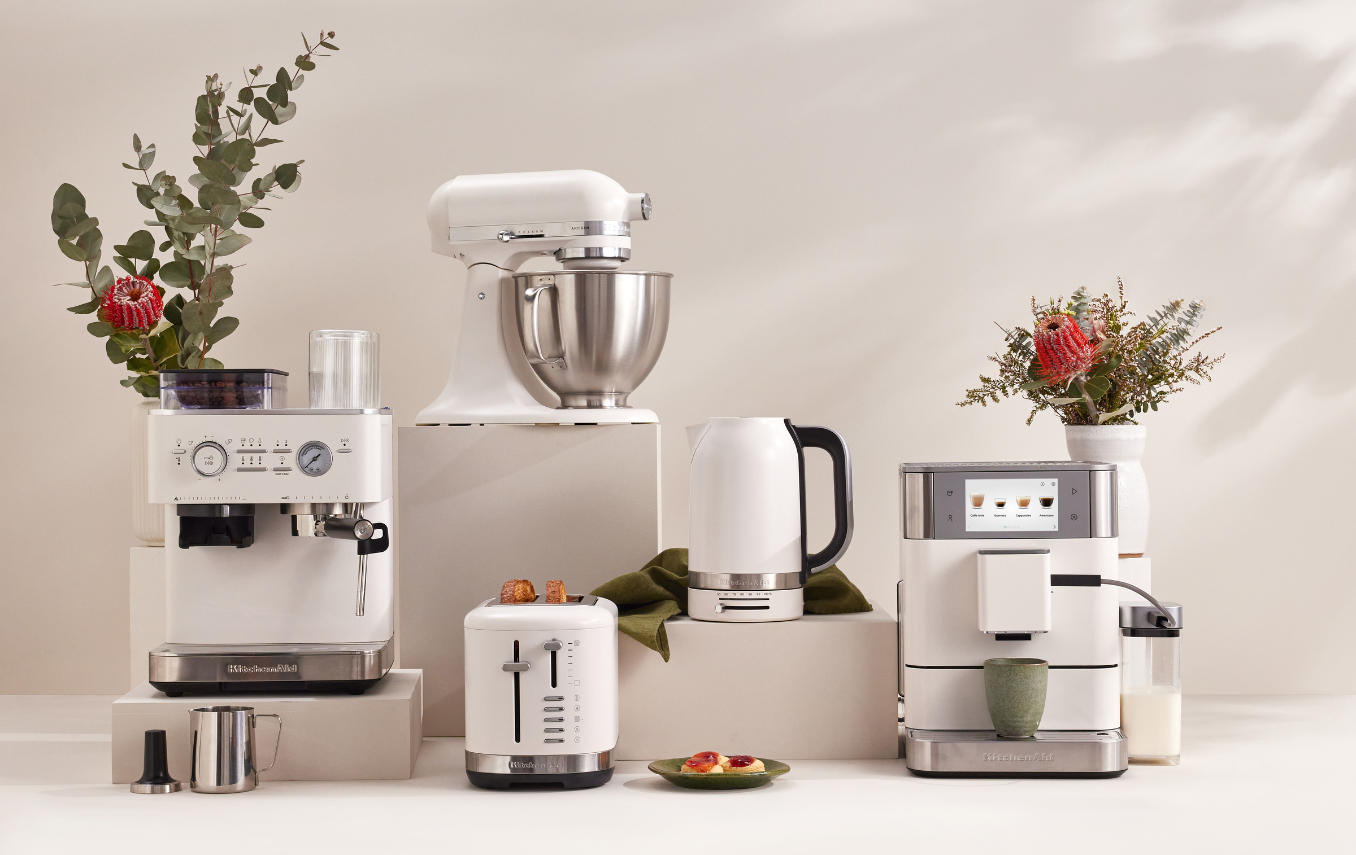
Small appliances enhance convenience and amplify capability. Immersion blenders create velvety soups and emulsify sauces directly in pots. Food processors chop onions swiftly, knead dough, and shred cheese without manual strain. Toasters and toaster ovens crisp bread, reheat pizza, and broil small portions efficiently. Electric kettles expedite boiling water, benefiting tea lovers and instant noodle enthusiasts alike. Rice cookers achieve fluffy grains consistently, while slow cookers tenderize meats and develop rich stews with minimal supervision.
Cold storage: preserve and portion
Cold storage is fundamental. Refrigerators preserve perishables and maintain freshness. Inside them, produce drawers prevent dehydration and preserve crisp textures. Freezers extend the life of meats, broths, and baked goods. Ice cube trays go beyond chilling beverages. They portion herb infused oils, tomato paste remnants, and stocks. Vacuum sealing systems prolong ingredient longevity, safeguard against freezer burn, and maximize freezer organization.
Spice stewardship: aroma and depth
Spice stewardship shapes flavor precision. A curated spice rack stocked with essentials like cumin, paprika, turmeric, cinnamon, and dried herbs forms the basis of numerous cuisines. Whole spices, stored in airtight jars and toasted before grinding, unleash aromatic depth. Mortars and pestles unlock oils in garlic, coriander, and peppercorns, producing pastes unmatched by mechanical grinders. Labeling purchase dates encourages freshness and timely replenishment.
Maintenance and safety: protect tools and taste
Cookware safety and maintenance influence longevity. Regularly seasoning cast iron promotes a naturally nonstick surface. Avoiding abrasive cleaning agents on nonstick pans prevents damage. Using mild detergents, warm water, and soft sponges preserves enamel coatings. Proper drying prevents rust, while gentle storage keeps lids and handles intact. Paying attention to heat settings avoids warping and secures reliable performance. Cultivating mindful maintenance habits prevents premature replacement, reducing waste and expense.
Textiles and protective gear
Textiles often go unnoticed yet prove crucial in day to day cooking. High quality dish towels absorb moisture efficiently and resist fraying. Pot holders and oven mitts protect hands during baking or broiling tasks. Aprons create a barrier between clothing and culinary adventures, absorbing splatters gracefully while carrying functional pockets for thermometers or tasting spoons. Wet towels under cutting boards stabilize surfaces, enhancing safety and reducing sliding.
Sanitation tools for a hygienic kitchen
Sanitation tools uphold hygiene and prevent foodborne illness. Brushes designated for vegetables remove sediment from carrots and potatoes. Bottle brushes clean narrow containers thoroughly. Non toxic cleaning sprays maintain a grease free environment without harsh fumes. Dish racks promote efficient drying, while compost bins encourage sustainable waste management. Handwashing stations with gentle soap support responsible cooking practices and protect ingredient purity.
Pantry staples and rotation
Pantry staples intertwine with tools to create a complete culinary system. Olive oil, vinegars, salt, pepper, flour, and grains form a base for countless recipes. Beans, canned tomatoes, and broths enable quick solutions on busy evenings. Dried pasta becomes a canvas for creativity. Nuts and seeds contribute crunch, protein, and nutritional density. Proper pantry rotation prevents spoilage and nurtures thoughtful consumption patterns.
Tableware and presentation
Tableware facilitates presentation. Plates, bowls, and flatware should offer durability and aesthetic pleasure. Porcelain and stoneware elevate dining experiences with tactile charm. Glassware for water, wine, and specialty beverages enhances hospitality. Serving platters create visual harmony at the table. Napkin placement communicates attention to detail and guest comfort.
Temperature control and timing
Temperature control tools guide precision. Instant read thermometers prevent undercooking of poultry and overcooking of steaks. Oven thermometers verify accuracy, especially in aging appliances. Timers guard against overbaking and ensure consistent results. Food safety and optimal flavor both rely on accurate temperature management. Few tools inspire confidence like a reliable thermometer.
Advanced gadgets for enthusiasts
Advanced gadgets cater to enthusiasts, though they remain optional. Sous vide machines offer unparalleled doneness accuracy, gently circulating water to cook meats and vegetables evenly. High powered blenders emulsify sauces, crush ice, and create smoothies with silky texture. Air fryers crisp potatoes and chicken with minimal oil. Though not every tool suits every kitchen, selective adoption based on cooking style enriches culinary potential.
Lighting and ventilation: see and breathe clearly
Lighting contributes to function. Under cabinet lights illuminate chopping surfaces and minimize eye strain. Bright yet warm tones create an inviting atmosphere while ensuring visibility when measuring spices or trimming proteins. Ventilation, too, plays an essential role. A robust range hood extracts smoke, steam, and odors, maintaining air quality and comfort.
Storage solutions for ease of access
Storage solutions refine order. Pull out shelves maximize cabinet access. Magnetic strips organize spice jars or knives. Hanging racks free drawer space. Corner turntables make use of otherwise inaccessible spaces. Modular containers stack neatly and streamline inventory checks.
Ethical and sustainable choices
Ethical considerations enter modern kitchens with increasing frequency. Reusable silicone bags minimize plastic waste. Beeswax wraps replace disposable film. Composting systems reduce organic waste and enrich gardens. Cast iron cookware, wooden spoons, and glass jars each promote durability. Mindful acquisition favors longevity over fleeting convenience.
The sensory experience of cooking
The tactile and auditory sensations of cooking deeply influence enjoyment. The sizzle of onions hitting hot oil, the aroma of garlic warming slowly, the rhythm of chopping herbs, and the gentle bubbling of a simmering stew collectively form a sensory orchestra. Tools act as instruments in this performance. When chosen with intention, they enhance every note and nuance.
Cultural cookware and authenticity
Cultural heritage often shapes kitchen needs. Clay pots, bamboo steamers, tandoor ovens, tortilla presses, and woks each reflect traditions. Their continued use preserves flavor authenticity and celebrates ancestral culinary artistry. Integrating such tools into everyday kitchens encourages exploration and respect for global foodways.
Ergonomics and comfort
Ergonomics merit attention. Handles should fit comfortably in hands, reducing fatigue. Weight distribution should remain balanced to prevent strain. Lids should seal effortlessly. Pour spouts should guide liquids smoothly. Investing time in selecting ergonomic designs rewards cooks with comfort and control.
Ambient layout and workflow
Ambient kitchen elements influence workflow. Spacious countertops provide room for ingredient preparation. Pegboards organize hand tools vertically, offering visibility and easy reach. Floors with comfortable mats reduce strain during prolonged cooking sessions. A well placed stool invites restful pauses during stirring or chopping tasks.
Education and skill building
Education enhances tool mastery. Understanding heat conduction, knife techniques, and proper maintenance turns simple utensils into sophisticated allies. Culinary books, courses, and demonstrations deepen knowledge, refine skills, and ultimately expand creative boundaries. Mastery emerges gradually, nurtured by repetition, curiosity, and patience.
Evolution of a kitchen over time
Ultimately, each kitchen evolves organically over time. Tools accumulate based on personal preference, cooking style, and cultural influences. Some pieces become cherished heirlooms. Others serve temporary but valuable roles. A thoughtful approach blends practicality with aspiration, encouraging cooks to pursue both efficiency and delight through deliberate selection and mindful use.
About the Author


