
Investing in a smaller number of high quality items changes the daily experience of cooking. Choose durable kitchen essentials that will endure repeated use, that simplify routine, and that repay cost through longevity and performance. Durability is not merely about heavy weight, it is about considered engineering, reversible wear, and parts that can be serviced when needed. Good tools become habitual, and habitual tools shape better meals with less effort.
The guiding philosophy
Durability should be paired with versatility and ergonomics. Prioritize items that perform multiple roles well, rather than single use gadgets that clutter drawers. Select materials that age with dignity and that tolerate the margin of human error. Think in terms of systems, because one lasting pan fits into a set of lids and storage strategies that together extend utility. When maintenance is straightforward the object continues to perform and replacement becomes infrequent.
The knife investment
A great knife is the single most impactful durable purchase for a kitchen. Start with a chef knife of eight to ten inches because it covers the majority of tasks with grace. Look for full tang construction and a handle that balances in the hand. High alloy steels offer long edge retention, and blades that accept periodic re profiling will deliver years of service. Maintain with a honing rod for daily alignment and with professional sharpening on a scheduled cadence. A whetstone regimen is optional, but it allows control and can be rewarding for those who value craft. Store knives safely on a magnetic strip or in an indexed block to preserve edges and to keep the work surface uncluttered.
Cookware that lasts
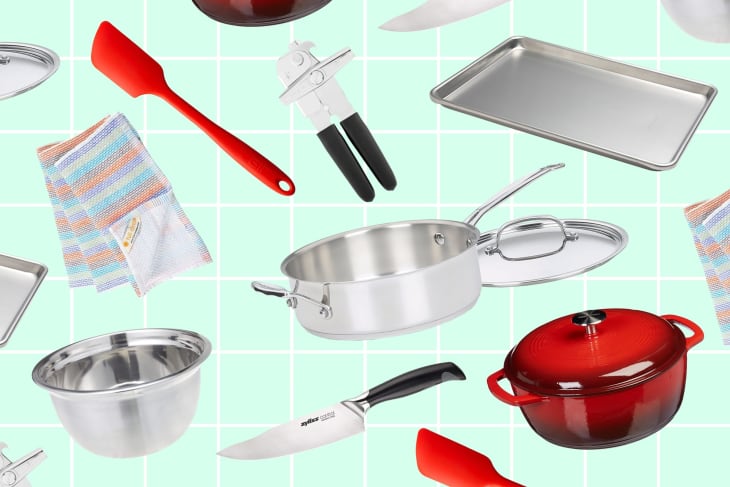
Select a core set of pots and pans built to endure thermal cycling. Clad stainless steel with an encapsulated base provides even heating and resists warping. Cast iron offers unmatched heat retention and a patina that improves with use. An enameled cast iron Dutch oven is invaluable for long simmers, because the enamel protects against reaction while the mass retains steady temperature. Avoid thin gauge metals that deform, and prefer thicker walls and heavier bases for durability. A set of lids that interchange across vessels reduces the need for redundant components and improves braising control.
Bakeware and sheet pans that behave
Half sheet pans made from warp resistant metal will give years of reliable roasting and baking. Choose pans with rolled edges for structural strength and for easier handling. Heavy duty loaf and cake pans that maintain geometry prevent uneven bakes and reduce the need for replacement. Silicone mats and stackable cooling racks add utility and resist surface wear. For pastry fans opt for stainless steel pie plates that will not corrode and that can be restored with simple polishing.
Small appliances built to last
Not all appliances are created equal. When selecting motors and housings look for brands with a reputation for serviceability and for replaceable parts. A stand mixer with metal gears will outlast models that rely on plastic internals. A robust food processor should have a metal drive shaft and a bowl that resists cracks. Choose blenders with hardened glass jars or with BPA free plastics rated for heat if you plan to make hot soups in the vessel. For multi cookers and ovens prefer units with simple mechanical controls rather than unnecessarily complex software stacks that may become obsolete.
Essential smallwares and tools
Certain smallwares earn their place through repeated use and by requiring little replacement. A bench scraper crafted from stainless or from high density polymer is one of the most resilient implements. Microplanes with a single solid steel blade maintain edge and are serviceable with careful cleaning. Durable tongs with riveted joints outlive stamped models. Choose spatulas with stainless cores and silicone skins because they resist tearing and heat failure. A solid rolling pin made of hardwood will not warp when maintained properly, and it remains serviceable across generations.
Cutting surfaces and hygiene
Avoid boards that delaminate or that soak up odors. End grain hardwood boards are gentle on knives and they can be resurfaced through sanding to remove deep cuts. Polymer boards tolerate harsher sanitation and are excellent for protein work because they can be sterilized at higher temperatures. Maintain boards by oiling hardwood surfaces periodically, and by ensuring polymer boards are replaced when surface checks indicate irreversible grooves. The ability to restore a board to near new condition extends its useful life considerably.
Storage systems that endure
Storage is part of the durable equation. Choose stackable containers with lids that lock securely and that resist repeated temperature changes. Glass containers with silicone seals combine clarity and durability and they do not stain as some plastics do. For pantry items invest in heavy duty apothecary style jars with metal lids or in polycarbonate canisters that resist cracking. Shelving systems built from solid wood or from industrial grade metal will accept higher loads and will not flex under repeated rearrangement.
Refrigerator and freezer accessories
A durable refrigerator organization system includes clear bin trays that resist cracking, and liberated glass shelves that can be repositioned to accommodate larger items. In the freezer, vacuum sealers and rigid freezer safe tubs will prevent freezer burn and preserve texture. Choose sealers with durable pumps and replaceable gaskets because the seal longevity depends on these parts. For long term frozen storage use thick walled containers that tolerate repeated freezing and thawing without becoming brittle.
Tableware that resists chips and wear
Everyday dinnerware should marry durability with tactile appeal. Tempered glass and vitrified ceramic resist thermal shock and chipping better than many decorative alternatives. Choose shapes that stack predictably and that fit the cabinet geometry, because stability reduces the frequency of accidental drops. For households where breakage is a concern select a mix of tempered glass and durable porcelain that can be used in ovens and on the table with confidence.
Cleaning gear that is built to be used
Cleaning tools must tolerate repetitive exposure to detergents and heat. Microfiber cloths resist linting and survive hundreds of washes when laundered with care. Scrubbing brushes with replaceable heads reduce waste and extend the tool lifespan. Choose dish racks made from stainless or from rigid polymer that do not collapse or stain. Concentrated cleaners in refillable dispensers are both more economical and kinder to the planet than single use bottles.
Materials to prefer and to avoid
Prefer materials that endure mechanical and chemical stress. Stainless steels of higher grade resist corrosion and maintain finish. Hard anodized aluminum offers non reactive surfaces and improved toughness. Ceramic and enamel are excellent for surfaces that see acid and heat, but they do chip if knocked. Avoid cheap non stick surfaces that flake and that cannot be re seasoned. If non stick performance is essential select hard anodized surfaces and treat them with care to maximize life.
Maintenance strategies that extend life
Durability depends as much on maintenance as on initial material quality. Establish a few simple rituals to preserve performance. Hone knife edges regularly to avoid heavy burden on sharpening sessions. Dry cast iron promptly and oil sparingly to preserve seasoning. Replace gaskets before failures occur to avoid leaks and damage. Keep a small box of spare parts such as seals, filters, and bulbs, because small replacements often prevent full equipment retirement.
Warranties and serviceability
When possible choose products with explicit warranty coverage and with an available network for repair. A product that can be serviced is also one that can be kept in service. Brands that document part numbers and that offer replacement components reduce the risk of full disposal. Consider the availability of service manuals and of community knowledge, because these resources make repair more accessible.
Sustainability and durable purchases
Buying durable means consuming less over time. Durable items reduce waste and often use materials that are recyclable at end of life. Prioritize items with repairable parts and avoid single use disposables disguised as tools. Refillable cleaning systems, composting solutions, and long lived containers all reduce the frequency of purchase and they align with broader environmental stewardship.
Financial rationale for durable choices
A premium upfront cost amortizes across years of use. Calculate cost per year rather than cost per purchase, because a well chosen pot that lasts a decade often costs less than multiple replacements of cheaper models. Consider resale value as a proxy for longstanding quality, because well made tools often retain value and can be resold or passed along instead of discarded.
Space and scale considerations
Durability also interacts with space. Choose items sized to the kitchen, because an oversized appliance that sits unused is functionally disposable. Prefer modular systems that scale, because an expandable shelving system or a stackable container set increases capacity without requiring full replacement when needs change.
Durable cookware recommendations
- Clad stainless steel skillet with rolled lip for pouring and with thick base to resist warping.
- Enameled cast iron Dutch oven that tolerates oven heat and resists reactive staining.
- Seasoned cast iron skillet for searing and for high heat finishes.
- Heavy duty half sheet pans with reinforced edges for roasting and baking.
Each of these items brings utility across a broad range of techniques and they will become more reliable with regular care.
Durable small appliance recommendations
- Stand mixer with metal gear train and sealed motor housing.
- Food processor with metal drive and a reinforced plastic bowl that resists cracking.
- High speed blender with hardened glass jar and a serviceable motor base.
- A multi cooker with replaceable gasket and a simple mechanical lid latch.
These appliances are designed to accept repair and to tolerate repeated cycles without early failure.
Cooking for longevity rather than novelty
Design a kitchen that encourages repair and care. Store spare parts cleanly, document a maintenance schedule where it makes sense, and avoid impulse purchases that increase the number of things requiring upkeep. Teach household members basic maintenance tasks such as how to remove and clean a blender gasket or how to check for loose screws on a handle. The best kitchens are ones where tools are known and maintained.
Choosing brands and makers
Seek out manufacturers with clear statements on repair and with accessible customer support. Smaller heritage makers often trade scale for craftsmanship and they are sometimes more transparent about materials and replacement parts. Avoid brands that enshrine planned obsolescence through glued assemblies and through sealed housings that cannot be opened without damage.
Durability and aesthetics
Durable items need not be visually austere. Many long lasting materials age with a patina that enhances character. Polished stainless resists staining while developing a lived in sheen. Oiled hardwood handles patina and become tactilely more pleasing with time. Select finishes that will tolerate daily handling and that will not show mild wear immediately.
Where to invest and where to economize
Invest in items that see constant contact with heat or impact. Knives, major cookware, and essential appliances warrant premium expenditure. Economize on single use gadgets and on decorative cookware that looks nice but fails under stress. Smallwares such as peelers and measuring spoons are inexpensive to replace, but prioritize build quality where the item is under repeated stress.
Intergenerational durability
Some items are crafted to last across households. Hardwood boards that can be sanded, cast iron skillets that become heirlooms, and properly maintained knives survive long enough to be passed along. When making purchases consider whether the object is likely to have life beyond the current kitchen.
Practical checklist for durable kitchen outfitting
- One high quality chef knife and a serrated utility knife.
- Clad stainless skillet and enameled Dutch oven.
- Seasoned cast iron skillet for heavy sear work.
- Sturdy half sheet pans and stackable cooling racks.
- Solid stand mixer or compact food processor with metal internals.
- Clear, heavy glass food storage containers with silicone seals.
- End grain board and a polymer board for proteins.
- A vacuum sealer with replaceable gaskets for long term storage.
- Microplane and a bench scraper in stainless.
- Concentrated cleaners in refillable bottles and a set of durable microfiber cloths.
Maintenance calendar for longevity
Adopt a simple cadence. Hone knives weekly if used often, arrange professional sharpening quarterly or as needed, oil wooden boards monthly, descale kettles every six weeks, and inspect appliance gaskets and drive belts seasonally. These modest habits prevent many common failures and extend functional life.
Repair over replace mindset
Before discarding, explore repair options. A new seal, a simple motor brush replacement, or a tightened handle often restores function. Resources abound in maker communities and some brands offer direct part sales. Repairing preserves value and reduces the environmental cost of consumption.
Final practical guidance
Choose materials that tolerate the intended use, prioritize serviceability and support, and build maintenance into routine life. Durable kitchen investments reduce waste and they convert daily cooking from a source of friction into a practiced activity that rewards both time and care.
About the Author


