
Efficient weeknight cooking depends on a compact arsenal of quick dinner essentials that reduce steps, speed prep, and produce gratifying results with minimal fuss. When equipment, pantry strategy, and workflow are aligned, dinner moves from a daily scramble into a short, reliable production. The emphasis is on multifunctionality, low cognitive load, and tools that enable technique without theatrical time investments.
The mindset: speed with integrity
Fast does not mean sloppy. The goal is to reach well balanced meals quickly by using techniques that scale down time while preserving texture and flavor. Prioritize tools and practices that remove friction, such as single vessel techniques, rapid-heat appliances, and mise en place routines. Embrace a pragmatic aesthetic where tidy, repeatable systems replace last minute improvisation. Small investments in organization yield large payoff when the clock is tight.
Core cookware that pays for itself
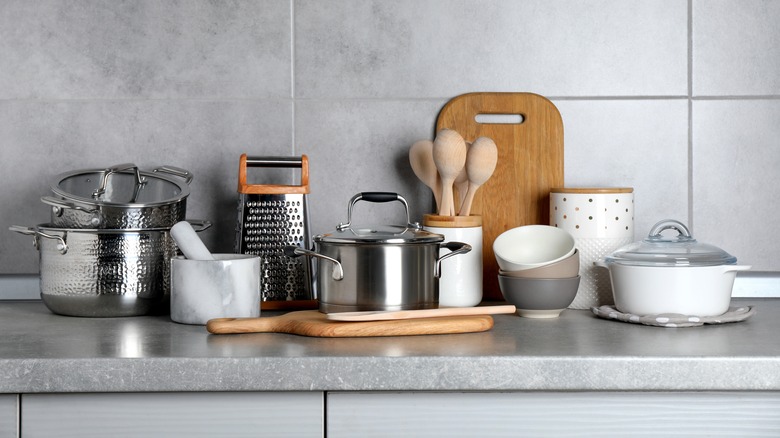
One excellent skillet. One medium saucepan. One Dutch oven or large, heavy pot. One rimmed sheet pan. These four vessels handle the majority of weeknight preparations. A versatile skillet sears, sautés, and finishes delicate proteins. A medium saucepan handles grains, sauces, and reheating. The Dutch oven is the slow cooker for panicked nights, because it can braise, simmer, and rest. The sheet pan is the ultra efficient surface for single tray dinners. Choose materials that transfer heat predictably, such as clad stainless steel for responsiveness and cast iron for heat retention where a deep fond or crust is desired.
Appliances that compress time
A compact multi cooker that pressure cooks, slow cooks, and steams is transformative. It reduces long braises into manageable windows while producing real depth of flavor. A small countertop convection oven is faster than a conventional oven and often able to crisp without prolonged preheat. A high speed blender or immersion blender turns raw ingredients into silky soups and sauces in moments. A reliable burner with induction technology, if available, accelerates boil and sautes due to its rapid thermal response. Choose appliances that nest components for storage and that have removable parts that clean quickly.
Prep tools that make a difference
Tongs, a sturdy pair. A good chef knife that sits balanced in the hand. A bench scraper that transfers diced items from board to pan. A microplane for zest and finishing. Silicone spatulas that scrape every last morsel from a bowl. A small, sharp paring knife for peeling and detail. These tools are inexpensive relative to their utility, and they drastically reduce time and effort. Keep them where they will be used, not where they are stored.
Mise en place for the time poor
Mise en place is not merely a professional conceit, it is a time multiplier. The habit of pre measuring spices, pre chopping aromatics, and staging proteins converts a chaotic cook into a smooth choreography. Use nesting bowls, small ramekins, or a muffin tin for small measured ingredients. When ingredients are organized visually, the act of cooking requires fewer decisions and less backtracking.
Pantry architecture for rapid assembly
A pantry tuned for speed is an inventory of versatile foundations that combine rapidly. Key categories and representative items include:
- Fast grains: quick-cook rice, couscous, quinoa.
- Canned proteins and bases: canned beans, tuna, tomatoes, coconut milk.
- Long life aromatics: garlic confit, jarred roasted peppers, preserved lemons.
- Condiments for lift: good olive oil, soy sauce, Dijon, quality vinegar, chili paste.
- Dried aromatics: garlic powder, onion powder, crushed red pepper, smoked paprika.
Stackable, clear containers and labelled jars make visual triage simple. When staples are visible, it is easy to assemble balanced meals within minutes.
Frozen assets for instant dinners
A well stocked freezer is a quick dinner secret. Par-cooked grains, roasted vegetables, pre portioned proteins, and frozen dumplings multiply options. Keep a selection of frozen herbs and citrus segments for finishing. Vacuum sealed portions of stew or curry reheat rapidly and taste fresh if sealed properly. Frozen components shorten active cooking time and reduce decision fatigue.
One pot and one pan meals
One pot risottos, skillet pasta, and sheet pan dinners are inherently fast because they minimize transfers and cleanup. Learn a handful of reliable one pot templates: a grain plus stock plus protein plus greens concept, a skillet pasta where the noodles finish in the sauce, and a sheet pan assembly of protein with vegetables and a bold finishing sauce. Single vessel cooking also concentrates flavor because fond and reduction are retained rather than discarded through multiple pots.
Quick proteins and rapid doneness
Thin cuts of meat, bite sized poultry, and fish fillets cook in minutes. Marinate or season briefly to impart depth. For short windows, consider:
- Flattened chicken thighs for fast sear.
- Thin pork cutlets breaded and pan fried.
- Firm white fish with a quick pan roast.
- Tofu pressed and cubed to maximize browning.
Searing then finishing in a hot oven is a rapid path to even doneness for many proteins, because the sear builds flavor and the oven finishes without constant tending.
Sauces and finishing touches that work fast
A simple pan sauce made by deglazing with stock or wine, finishing with butter, and whisking in a spoon of mustard, reduces to a glossy, restaurant quality finish within minutes. Yogurt and herb sauces emulsify quickly and add brightness to roasted or grilled items. A chunky chimichurri or gremolata, prepared while proteins rest, elevates the plate with negligible time investment.
Speedy vegetable techniques
Blanching and shocking, quick pickles, and fast charring are staples. Flash blanching preserves color and shortens final cook time, while quick pickles made with warm vinegar, sugar, and salt in small jars soften and flavor produce in hours. High heat charring on a grill or under a broiler adds complexity without slow simmering. Micro roast on a hot sheet pan for compact vegetables such as asparagus, brussels sprouts halves, or thinly sliced potatoes.
Pasta logic for weeknights
Cook pasta just shy of al dente, then finish in the sauté pan with sauce and a bit of starchy pasta water. This technique integrates starch, binds flavor, and saves time because the final finish happens in the pan rather than in separate staging. Opt for small shapes that cook quickly or pre boil and freeze portions for rinse-and-heat service.
Rice and grains on a practical timeline
Use quick-cook varieties when time is scarce. For multi-grain or whole grain options, batch cook and freeze in portions to reheat. Microwave steam pouches are not a sin, they offer speed with reasonable texture. For more control, a rice cooker with a timed function sets and forgets, freeing hands for prep of vegetables and proteins.
Salad and raw components that finish dishes
A composed salad can be the fastest route to a complete meal. Keep a repertoire of sturdy greens, quick pickles, roasted nuts, and an acid forward dressing. Toss the greens just before serving to preserve texture and dress with an assertive vinaigrette that balances fat and acid. Raw components often provide the textural contrast that makes quick dinners feel complete.
Batch components that compound efficiency
Cooked legumes, roasted vegetables, and grains can be prepared in larger quantities and recombined across the week. A roasted vegetable mix becomes a pizza topping, a pasta stir in, or a protein salad base. Batch cooked proteins such as shredded chicken can be reheated with fresh aromatics and a splash of acid to feel newly plated.
Quick seasoning rituals
Salt early on grains and proteins, and finish with a bright acid and fresh herb. A sprinkle of finishing salt, a line of olive oil, and a citrus squeeze elevate simple plates rapidly. Keep a jar of toasted seeds or chopped nuts for instant texture contrasts. Taste vigilantly and season incrementally rather than assuming a single large correction at the end.
Kid friendly and picky eater strategies
Keep a set of fallback components that are likely to please most palettes: roasted sweet potatoes, grated cheese, simple broths, and quick pan seared proteins. Construct bowls that allow assembly: a grain base, a protein, a vegetable, and a simple sauce. Enable choice without chaos by presenting options in small bowls and allowing minimal customization.
Speed cleaning and maintenance
Cut the post meal time in half by cleaning while cooking where appropriate. Load the dishwasher as a habit, and use a small sink caddy for soapy water to pre rinse tools. Silicone baking mats reduce sticky cleanup and are reusable. A tidy kitchen contributes psychologically to the willingness to cook on busy nights.
Time saving shopping habits
A curated shopping list that aligns with the quick dinner templates reduces supermarket time and cognitive load. Think by role: proteins for the week, quick grains, a vegetable that roasts quickly, a leafy green, and finishing condiments. Keep a small emergency stock of essentials that can be combined rapidly when an unexpected late arrival occurs.
Flavor amplifiers to keep on hand
Anchors that add immediate depth include anchovy paste, miso, fish sauce, and concentrated stock or bouillon. These small jars transform a pedestrian sauté into a layered dish within seconds. Use sparingly and taste as you go because these are high impact flavorants.
One skillet vegetarian dinners
Legumes or tofu combined with a medley of quick cooking vegetables and a bold finishing sauce make for fast, satisfying vegetarian dinners. Sear aromatics, add tomatoes or coconut milk, toss in pre cooked legumes, wilt greens, and finish with herbs and acid. The one skillet approach simplifies both cook time and cleanup.
Quick international templates for variety
Master a few global templates that rotate quickly: a Thai style stir fry with fish sauce and lime, a Mexican style bowl with beans and pico de gallo, an Italian cacio e pepe pasta, and a Middle Eastern shakshuka. These frameworks allow fast assembly with varied flavor profiles using overlapping pantry items.
Freezer-friendly dinners finished fast
Assemble casseroles or stews in freezer proof containers and label with reheating instructions. When needed, defrost overnight in the refrigerator and finish in a hot oven or on the stovetop with a quick re seasoning. Freezer meals are not only convenience, they are a time shifting strategy that converts weekend effort into weekday ease.
Quick desserts that close the meal
Fruit compotes, yogurt with honey and toasted nuts, or single portion baked apples are fast finishes that satisfy without a long bake. A microwave mug cake is an emergency dessert that takes moments and delights the table. Sweet finishes should be simple and proportioned to the meal.
Safety nets for unexpectedly busy nights
Keep a small list of fail proof local delivery options and a few reliable ready to heat items as fallback. For evening when nothing else works, opt for quality prepared items and elevate them with a grilled vegetable salad or a fresh side to keep the evening balanced.
Techniques to learn that save time
Learn to spatchcock chickens for faster roasting, to butterfly fish for even and rapid cook, and to use a mandoline safely for uniform vegetable slices that cook predictably. Small technical skills produce outsized time dividends when practiced to speed.
A practical shopping and prep checklist
To enable a steady rotation of quick dinners, stock the following: one quality skillet, a medium saucepan, one large pot or Dutch oven, a rimmed sheet pan, a multi cooker, a high speed blender or immersion blender, chef knife, bench scraper, tongs, microplane, three nesting prep bowls, four stackable storage containers, a small assortment of versatile condiments, and vacuum or freezer bags for batch portions.
Psychological strategies for weeknight success
Set an intent at the start of the week for how many nights will be fresh cooked, how many will be batch reheated, and how many will be delegated. Make the decision ahead of time to remove the nightly burden of deciding, and use a visible schedule or checklist to align household expectations.
Final practical actions to start tonight
Pick a one pan template, pre measure a few spice blends, and roast a tray of vegetables that can be repurposed across dinners. These small acts reduce friction immediately, and they create a framework that makes the next busy night far easier to manage.
About the Author


