
Designing a functional culinary space inside a small apartment demands ingenuity, restraint, and a keen appreciation for multi purpose tools. In tight quarters, clutter accumulates quickly, surfaces disappear beneath unused gadgets, and culinary inspiration can feel stifled. Yet even the most impossibly compact cooking environment can become a sanctuary for creativity when equipped with intelligently chosen equipment. A well curated selection of tiny kitchen essentials transforms modest square footage into an efficient haven where every item has purpose, every corner serves function, and every square inch feels thoughtfully valued. The secret lies in selecting tools and accessories that conserve space, simplify tasks, and elevate the cooking journey without overwhelming the senses or crowding precious countertops.
The Art of Compact Culinary Living
Living in a tiny apartment often means redefining one’s relationship with possessions. Kitchens in such spaces rarely indulge in excessive cabinetry or sprawling countertops. Instead, they challenge inhabitants to adopt a minimalist yet purposeful philosophy. The essence of compact culinary living lies in striking a delicate balance between functionality and spatial elegance.
Thoughtful planning yields harmonious movement within confined layouts. Items must be easy to locate and simple to store. A streamlined environment encourages culinary experimentation rather than restricting it. In many ways, tiny kitchens provoke innovation through limitation. Clever storage layouts, strategic furniture choices, and efficient use of vertical real estate transform what might seem like obstacles into opportunities. The charm of preparing food in a petite kitchen lies in the intimacy and efficiency created by careful curation of tools and utensils.
Multi Functional Cookware for Limited Spaces
One of the most valuable principles for tiny kitchen management is the prioritization of multi functional cookware. Traditional kitchens often house various pans and pots designated for singular purposes. Tiny apartments require a different philosophy. Versatility becomes the cornerstone of practicality.
A high quality sauté pan stands as a culinary workhorse. It sears vegetables, simmers sauces, and prepares one pan meals with grace. A Dutch oven, compact in size yet robust in performance, braises, bakes, boils, and stews. A cast iron skillet functions across stovetop and oven environments, lasting generations while consuming minimal footprint. These compelling tools eliminate the need for bulky alternatives and create an efficient, simplified cooking system.
Measuring cups with dual sided markings, mixing bowls that nest neatly, and stackable baking trays increase efficiency without sacrificing performance. A single pot capable of steaming, boiling, and slow cooking proves invaluable. Thoughtful investment in adaptable cookware rewards daily routines with serenity and simplicity.
Clever Drawer and Cabinet Optimization
Storage scarcity often defines small apartment kitchens. Narrow drawers, limited cabinets, and minimal pantry room require adaptive strategies to harness full potential. Drawer organizers segment utensils and maximize reach. Stackable trays and adjustable dividers refine internal structure and transform drawers into meticulously arranged compartments.
In cabinets, shelf risers create separate tiers to prevent wasted vertical space. Pull out racks and sliding shelves enable easy access to items stored deep within. Lazy Susans introduce rotational convenience that eliminates forgotten jars and awkward reaching. Slim cabinet baskets hang under shelves to store small jars, cups, or wrappers. These modular additions reduce chaos, support organization, and ensure rapid access to essentials during meal prep.
Collapsible and Foldable Equipment
One of the most strategic approaches to maximizing small kitchens is the selection of collapsible and foldable accessories. Silicone colanders flatten to slide into drawers. Foldable dish racks collapse after use, freeing counter space. Pop up storage bowls compress into slim discs that tuck away seamlessly. Even cutting boards now fold to guide produce directly into pots with no mess or spillage.
Silicone measuring cups, collapsible kettles, and stackable food containers reinforce space conscious living. These items marry innovative engineering with aesthetic clarity, producing utensils that shrink, nest, and accommodate limited room with effortless poise. Compact living requires adaptability. Collapsible essentials embody this ethos with remarkable precision.
Vertical Storage and Wall Innovations
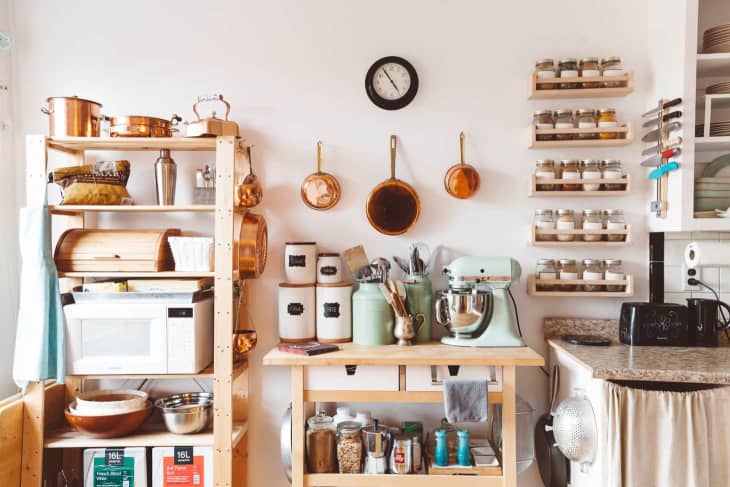
Tiny kitchens rarely afford expansive surface space, yet walls and vertical surfaces offer untapped potential. Wall mounted magnetic strips replace bulky knife blocks, presenting blades in a visually pleasing linear display. Rails with hooks hang ladles, spatulas, and measuring spoons neatly while maintaining accessibility. Pegboards personalized with baskets and shelves transform blank surfaces into curated culinary displays.
Floating shelves accommodate spices, small plants, or decorative jars. Mounted paper towel holders, pot racks, and mug pegs turn walls into efficient storage terrain. Even narrow slivers between appliances and walls can host slim rolling shelves that reveal pantry staples. Leveraging vertical dimension transforms confinement into creative opportunity.
Compact Appliances for Efficient Living
Appliances designed for large kitchens seldom suit tiny urban apartments. Compact models exist specifically for these environments. A slim toaster oven replaces several large devices and fits neatly beneath upper cabinets. A small single burner induction cooktop stores easily when not in use yet offers robust heat when required. Immersion blenders eliminate the need for full size blenders, blending soups and sauces directly in pots.
Countertop dishwashers clean efficiently without monopolizing sink space. Mini rice cookers serve solo dwellers or couples while performing double duty as steamers. When appliance selection prioritizes scale, efficiency, and capability, tiny kitchens evolve into surprisingly powerful culinary hubs.
Magnetic and Under Surface Solutions
Magnets offer elegant solutions for compact organization. Magnetic spice jars attach to refrigerator sides or metal boards, clearing cabinet space. Steel adhesive panels transform walls into magnetic storage zones for scissors, bottle openers, or recipe cards. Under cabinet magnetic strips anchor jars, knives, and other small essentials in plain sight without occupying shelves.
Similarly, under surface baskets slide beneath existing shelves to capture small plates, vegetables, or napkins. Hooks mounted under cabinets cradle mugs or kitchen towels discreetly. These lesser visible storage moments refine workflow, reduce clutter, and introduce quiet sophistication.
Space Conscious Textiles and Cleaning Tools
Even cleaning supplies deserve deliberate selection. Microfiber cloths fold into compact stacks. Miniature brooms and handheld vacuums replace full size cleaning tools. Over the sink drying mats roll away once dishes dry. Foldable mops fit beneath sinks. Slender trash cans slide into narrow corners or integrate into pull out cabinetry systems.
Small kitchens benefit greatly from textiles hung vertically. Dishcloths hang from hooks, aprons sit behind doors, oven mitts rest on adhesive pegs. When everything stows neatly and remains within reach, daily maintenance becomes effortless.
Minimalist Dinnerware and Glassware
Dinnerware selection influences storage efficiency in compact kitchens. Stackable plates with simple edges nest gracefully. Bowls that nest save space while remaining functional for soups, salads, and meal preparation. Glassware designed for stacking protects delicate rims and consolidates shelf space.
Choosing a small number of high quality pieces prevents cabinet overload. Two or four versatile drinking glasses, matching mugs, and adaptable bowls serve most everyday needs. Uniform sizes and shapes ensure neat stacking, making cabinets feel orderly and elevated.
Slim Containers and Airtight Storage
Food storage requires careful planning in tight kitchens. Slim rectangular or square containers maximize both refrigerator and pantry shelves. Airtight lids preserve freshness and encourage thoughtful ingredient organization. Clear canisters allow immediate identification, reducing waste and speeding preparation.
Vacuum seal bags permit freezer storage without bulky containers. Stackable mason jars organize grains, nuts, seeds, and snacks elegantly. Efficient pantry systems rely on consistency. Matching containers with uniform heights and labeled fronts streamline meal planning and eliminate chaotic piles of packages.
Small Scale Cutting and Prep Surfaces
Cutting boards sized appropriately for tight counters conserve essential workspace. Boards that rest atop sinks increase prep area without architectural changes. Multi layer cutting systems allow ingredients to be sliced and collected in tiers, simplifying cleanup.
Some designs include built in trays to store chopped vegetables temporarily. Others integrate strainers or slide out catch drawers. Compact prep stations exemplify sophisticated engineering, proving that efficiency and ingenuity can coexist beautifully in small settings.
Portable and Rolling Kitchen Carts
Rolling kitchen carts extend counter space and offer mobile storage. They act as temporary prep surfaces, serving stations, or makeshift islands. Slim models fit beside refrigerators or under windows, disappearing when no longer needed. Shelves and drawers store spices, linens, or cookware tidily.
Some carts fold flat for storage, offering utility only when necessary. Portable utility furniture reduces reliance on fixed cabinetry and promotes adaptable living arrangements.
Hanging Racks and Ceiling Mount Storage
Ceiling mounted racks elevate pots and pans above workspace, freeing cabinets for other necessities. Hanging bars accommodate utensils and create an attractive rustic or contemporary aesthetic. Suspended shelving adds charm while increasing capacity.
This approach capitalizes on vertical dimension and transforms ceiling zones from unused voids into valuable organizational terrain. Lightweight cookware and accessories benefit most from overhead placement.
Minimalist Pantry Essentials
Tiny apartments demand thoughtful pantry curation. Instead of abundant single purpose ingredients, condense into multipurpose staples. A well curated pantry might include olive oil, vinegar, salt, whole grains, legumes, spices, and nuts, each selected for versatility. Avoid overstocking, since too many jars overwhelm limited shelving.
Compact can racks, tiered spice shelves, and airtight bins provide structure and accessibility. Simplicity reigns supreme. The goal is nourishment and efficiency without visual clutter.
Fold Away Dining and Work Surfaces
Fold out tables and wall mounted drop leaf counters reveal dining or prep surfaces when needed. Once mealtime concludes, they fold neatly, maintaining precious room for movement. These charming solutions create flexibility for residents who entertain occasionally but require efficiency daily.
Stackable stools or foldable chairs complement this style, storing in closets or beneath beds. Space fluidity enhances comfort in small dwellings.
Prioritizing Ergonomics and Flow
A tiny kitchen thrives when designed with ergonomic fluidity. Frequently used tools should remain within arm’s reach. Rarely used appliances belong in higher cabinets or offsite storage. Movements from fridge to sink to stove form a compact yet efficient work triangle.
The elegance of a tiny kitchen lies in intentional arrangement. When the flow feels natural, preparation becomes meditative rather than frantic. Cookware sits near the stove, cutting tools near prep surfaces, dinnerware near the sink or dishwasher. Strategic placement transforms micro spaces into professional grade workflows.
Curating Essential Utensils
Tiny apartments do not accommodate drawers brimming with unused utensils. A refined collection suffices beautifully. A chef knife, paring knife, spatula, whisk, wooden spoon, and tongs perform most tasks. A single can opener, vegetable peeler, and microplane enhance functionality without clutter.
Quality and durability outrank quantity. One sophisticated tool proves superior to five flimsy alternatives. Selecting tools with ergonomic handles ensures comfortable use in smaller kitchens, where prep surfaces may sit close together.
Durable Small Scale Cookware
Compact saucepans, eight inch skillets, and half sheet pans occupy less storage space. Multi layer stainless steel and cast iron options withstand heavy use and bring rustic charm to tiny homes. A lidded pot suited for pasta, soup, and rice multiplies cooking ability without excessive size.
Even baking tools may adopt miniature forms. A loaf pan, a muffin tin, and a small baking dish fulfill most sweet and savory baking desires. Each piece earns its place through versatility and durability.
Under Sink Maximization
Under sink spaces often act as hidden chaos zones in tiny kitchens. Employing stacking bins, sliding drawers, and clip on storage baskets prevents disarray. Cleaning supplies sit in compact caddies. Dish soap and sponges occupy adhesive holders on cabinet doors. Everything finds a home with thoughtful organization.
Clear bins maintain visibility and prevent items from vanishing behind plumbing fixtures. Adding a tension rod creates a hanging zone for spray bottles. The area beneath the sink transitions from neglected void to functional resource.
Modular and Stackable Design Concepts
Modular systems empower tiny kitchen dwellers to evolve storage according to need. Stackable shelves expand cabinets vertically. Interlocking bins slide beneath beds or inside closets for overflow pantry storage. Modular spice trays adjust to drawer dimensions effortlessly.
This coordination supports efficient, logical workflows. The result is a cohesive environment that adapts to meal habits, grocery routines, and seasonal needs.
Graceful Minimalism in Culinary Spaces
Elegance emerges when restraint governs design. A tiny kitchen looks refined when free from excess jars, duplicate utensils, and unused appliances. Crisp lines, visible surfaces, and selective decor cultivate tranquility. Minimalism is not deprivation. It is liberation through intentional choice.
In tiny apartments, kitchens embody personality. Efficient organization, compact furniture, and carefully chosen utensils create a visually soothing canvas for culinary creativity. Through thoughtful planning, limitation becomes luxury, and the smallest kitchens transform into thriving culinary sanctuaries.
About the Author


