
A discerning kitchen is defined by a handful of durable implements that outlive trends and sustain performance, and investing in long lasting tools transforms everyday cooking into a more dependable craft. Choose materials that patinate with use, prefer mechanical simplicity over fragile electronics, and prioritize warranties and repairability when available.
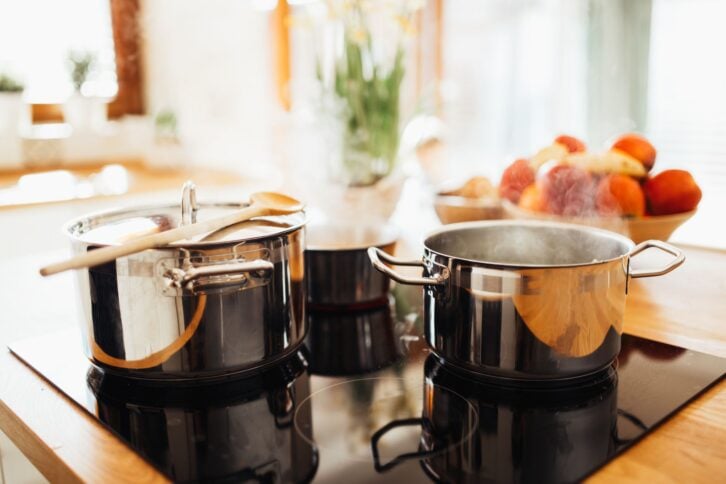
The value proposition of durability
Durability saves money over time, but it also changes behavior. A utensil that feels reliable encourages experimentation and repetition, which accelerates skill. The purchase calculus is not merely sticker price, it is total cost of ownership over years. High quality steel, solid joinery, and replaceable parts are markers of longevity. Consider the provenance of items, and value repairs more than replacement.
Materials that endure
Certain materials have well proven longevity. Carbon steel and stainless steel resist warpage and handle high heat with little degradation. Forged steel knives maintain an edge longer than stamped alternatives, and with proper maintenance they can last generations. Cast iron, when seasoned and cared for, accrues a nonstick patina and becomes more efficient with age. Hard woods such as maple and walnut for cutting boards resist scarring and compressive wear, and oiling them periodically prolongs performance.
Ceramics and tempered glass are durable when thermal shock is managed, and enameled cast iron provides a low maintenance route to classic thermal mass with minimal reactivity. Silicone, surprisingly resilient, withstands repeated temperature cycling and resists shattering, making it a sensible choice for spatulas and baking mats.
Cookware built to be repaired
Choose cookware that can be serviced. Heavy gauge stainless steel with riveted handles outperforms welded or glued assemblies because rivets can be tightened and replaced. Lids with replaceable seals and handles that can be swapped are superior choices. Avoid pans whose nonstick coatings flake after limited use, because surface failure often signals replacement rather than repair.
When in doubt, examine how a product is assembled. Mechanical fasteners and simple geometries facilitate long term maintenance. A cookware piece that shows signs of wear is more likely to be salvageable if its construction favors repair.
Knives as lifetime companions
A great knife is a life instrument. Look for forged blades, full tang construction, and robust handle materials. Bolster designs improve balance, and visible full tang handles indicate that the steel runs through the handle, enhancing strength. Carbon content affects edge retention and ease of sharpening, but be mindful that higher carbon steels may require more corrosion vigilance.
Hone regularly to maintain the edge geometry, and send knives to a skilled sharpener periodically. A well kept knife can become an heirloom. Store knives properly, either in a block, on a magnetic strip, or with blade guards to prevent accidental dulling and to protect edges.
Workhorses: cast iron and carbon steel
Cast iron and carbon steel deserve exalted status in the long lived kitchen. Cast iron retains heat wonderfully, which is invaluable for searing and braising. When managed correctly, it resists warpage and sustains benefit across decades. Carbon steel heats quickly and is prized for high heat searing. It becomes naturally nonstick with seasoning and yields superior crusts on meats.
Both materials require simple maintenance rituals: avoid acidic prolonged contact to protect seasoning, dry thoroughly to prevent rust, and apply a light oil coat before storage. These rituals are modest and they preserve substantial functional value.
Bakeware designed for decades
Sturdy bakeware is simple yet crucial. Heavy gauge sheet pans with rolled edges resist warping and can be resurfaced or reconditioned if necessary. Ceramic baking dishes with vitrified glazes endure when thermal shock is mitigated; allow dishes to warm gradually to avoid cracking. Silicone molds offer flexibility and do not corrode, but monitor for cuts and deep gouges that can harbor bacteria.
Look for bakeware backed by a guarantee, because manufacturers who offer servicing or replacements often build products to standards that exceed the market norm.
Utensils that remain faithful
Select utensils with solid construction. Stainless steel spoons, ladles, and tongs with welded joints outlast those with riveted or adhesive joints. Wooden spoons carved from dense hardwoods resist cracking and do not melt. Choose silicone tipped tools for nonstick surfaces, and prefer tools with balanced handles and secure joints.
Avoid hollow handles with trapped moisture, because they can foster corrosion from the inside. Simple, monolithic designs are often the most enduring.
Storage and organization that endure
Good storage begins with robust containers. Thick walled glass containers with tempered lids resist staining and odour retention, and they adapt from fridge to oven as needed. Stainless steel canisters for dry goods block pests and stand up to years of opening and closing. Heavy duty shelving and solidly mounted racks reduce collapse risk and protect investments.
Hardware such as drawer glides and hinges, when specified to commercial grade, prevent sagging and maintain smooth operation over years. Invest in quality mounting and anchoring hardware to avoid repeated repairs.
Maintenance routines that extend lifespan
Longevity depends on ongoing care. Regularly inspect handles for looseness, and re tighten screws as required. Dry cast iron and steel immediately after washing, then heat briefly to ensure moisture has evaporated. Apply thin coats of neutral oil on wood and metal handles to prevent desiccation and rust. Avoid harsh chemical cleaners that erode protective finishes.
Document maintenance schedules for items that require periodic servicing, such as sharpening knives or replacing seals. A small time investment prevents large, costly failures.
Energy efficient appliances with repairable parts
When selecting powered appliances choose models that emphasize serviceability. Look for appliances with accessible internal components and warranties that include parts. Brands that publish repair manuals and offer replacement parts reduce the likelihood of disposal when something fails. A high torque stand mixer with metal gears will outlive a plastic geared alternative by years.
Avoid appliances with sealed electronics that are difficult to diagnose and repair. Simpler mechanical designs are often more robust and easier to fix when issues occur.
Glass and ceramic longevity strategies
Glass and ceramics can last for generations when handled properly. Tempered glass resists thermal shock more than ordinary glass, making it a prudent choice for bakeware. For ceramic, ensure glazing is even and free of hairline cracks at purchase. Avoid sudden temperature changes that can cause crazing. When damage occurs, evaluate whether chips are cosmetic or whether structural integrity is compromised.
Choose dinnerware with vitrified glazes and sufficient thickness to withstand daily use. Simple patterns hide wear and aging better than high gloss, delicate enamels.
Textile selection for endurance
Kitchen textiles see heavy use. Choose dense woven towels and oven mitts with sturdy seams and heat resistant linings. Cotton canvas aprons with reinforced stitching and pockets survive repeated laundering. Replace velcro closures with button or toggle systems when longevity is a priority, because hook and loop tends to degrade over time.
Natural fibers launder well, and a regimen of proper washing extends textile life.
The economics of repair versus replace
A useful heuristic is to repair when the cost of repair is under a third of the replacement cost, and when the repair restores a substantial portion of functionality. For many high quality items repairs can be performed multiple times across a lifetime. Establish relationships with local repair specialists, sharpeners, and re enamellers. That network makes repair more accessible and cost effective.
When repair is impractical, consider specialized recycling streams to dispose responsibly.
Choosing brands with transparent supply chains
Brands that publish materials data and that document manufacturing processes tend to produce items intended for longevity. Traceability indicates accountability. Seek manufacturers that provide extended warranties and replacement parts, and prefer those that repair rather than replace. Local workshops and artisans may produce durable small batch items that are simpler to maintain and to repair.
Evaluate user reviews for longevity, not only for initial performance. Reports on long term use reveal patterns that marketing cannot.
Design choices that resist obsolescence
Simplicity is a design virtue for longevity. Avoid excessive complexity in favor of modular components that can be swapped out. A pan with a removable handle simplifies storage and reduces the risk of handle failure. A blender with detachable blades and a replaceable motor coupling is simpler to service than a sealed unit.
Timeless aesthetics also matter. Neutral finishes and classic proportions age gracefully and are less likely to be discarded due to changing styles.
Environmental considerations and materials longevity
Durable tools often align with environmental stewardship. Long lasting items reduce consumption and waste, and they often have lower embodied environmental cost per year of use. Favor repairable metals, reclaimed hardwoods, and recyclable packaging. When sourcing new items, inquire about end of life options and manufacturer take back schemes.
Durability is both a financial and an ecological principle.
Building an heirloom collection
Some items become family heirlooms. A well made skillet, a carved wooden spoon, or a set of forged knives can be transferred across generations. These pieces carry stories and accrue character. Document provenance and maintenance instructions to help future caretakers preserve function and meaning.
Treat heirloom candidates differently than disposable items. Store them carefully and educate recipients on their care.
Avoiding common longevity mistakes
Do not subject materials to conditions that accelerate degradation. Avoid thermal shock for glass and ceramic, and refrain from abrasive cleaners on protective surfaces. Do not use metal utensils routinely on delicate nonstick coatings. Do not overcrowd pans to prevent warpage. Simple habits prevent many common failures.
Institutionalize a few protective rituals and they will yield long term benefit.
When to invest in professional servicing
Some items benefit from occasional professional attention. Professional knife sharpening restores geometry in ways that home methods cannot, and professional re enamelling can rehabilitate cookware surfaces. Professional servicing varies in cost, but it often extends usable life significantly.
Establish a servicing cadence for high value items and budget accordingly.
Practical checklist for a durable kitchen
- Select forged knives with full tang construction and schedule periodic professional sharpening.
- Acquire cast iron and carbon steel pans and maintain seasoning routines.
- Choose heavy gauge stainless steel cookware with riveted handles for repairability.
- Invest in tempered glass and vitrified ceramic bakeware for thermal resilience.
- Choose utensils with monolithic designs and welded joints for durability.
- Prefer appliances with replaceable parts and accessible service manuals.
- Store tools properly to avoid accidental damage and to protect edges.
- Create a maintenance calendar for sharpening, oiling, and gasket replacement.
- Build relationships with local repairers and service providers.
- Opt for neutral, timeless designs to reduce the urge to discard for style reasons.
Lifespan extending rituals and habits
Daily rituals pay dividends. Wipe and dry metal surfaces after contact with acidic foods, oil wooden implements periodically, and avoid stacking heavy objects atop delicate cookware. Keep knives honed, and do not use them on frozen items without appropriate technique. Treat each tool with a measure of respect, because longevity is as much about use as it is about materials.
Sourcing tips for enduring purchases
Inspect products for solid construction and simple fastenings. Test handles for wobble and check seams for adhesive reliance. Read warranty terms carefully and keep purchase receipts. When buying online, prioritize vendors with robust return policies and documented long term user reviews.
Understanding warranty fine print
Warranties reveal manufacturer confidence. Look for lifetime or extended warranties that cover structural failure rather than cosmetic wear. Understand what constitutes normal wear and what is covered. Register products when required to activate warranty benefits and retain proof of purchase.
Fostering a repair culture
Normalize repair in your kitchen culture. Teach basic maintenance tasks, such as replacing handles or tightening screws. Encourage saving packaging and manuals that include part numbers. A small toolbox with basic spare parts can make minor repairs immediate and inexpensive.
Resilience through redundancy
Redundancy is pragmatic for long lived kitchens. Keep spare essential utensils and a backup pan for high frequency tasks. Redundancy prevents forced purchases under time pressure and allows careful replacement selection when necessary.
Ending practical note on longevity maintenance
Conserve attention to routine care, curate well built implements, and prefer repairable designs to ensure that the kitchen becomes a repository of useful, storied tools. Durable choices yield both economic and aesthetic dividends over years of dependable use.
About the Author


