
A streamlined kitchen is more than a visual pleasure. It is a functional sanctuary where every inch matters. In compact homes, studio apartments, and modern dwellings where space is prized, mastering counter efficiency becomes indispensable. The right tools do not simply sit on the countertop, they work with purpose, eliminating clutter, minimizing waste, and supporting effortless culinary flow. Among the greatest allies for a tidy kitchen are clever storage systems, collapsible implements, stackable pieces, and multifunctional designs crafted to replace bulky single-use equipment. These intelligent innovations act as counter space savers, helping transform even the smallest cooking environment into an orderly and motivating workspace.
The Philosophy of Compact Culinary Living
A kitchen is a laboratory. Yet unlike vast scientific facilities, domestic countertops are often limited, requiring thoughtful curation of tools. To preserve mental clarity and cooking efficiency, it is vital to adopt the philosophy of purposeful minimalism. That does not mean sacrificing capability or downgrading quality. It means selecting gear that performs exceptionally, fits intelligently, and occupies only necessary space.
Think of compact living not as restriction but as refinement. When the right tools live on your counter, your movements feel freer. Pans glide out of neatly stacked cabinets. Small objects nest into one another. Clutter disappears, revealing culinary potential. An uncluttered workspace influences your choices, encouraging mindful preparation and creative exploration.
Collapsible Tools that Flatten Storage Needs
The culinary world has evolved. Formerly rigid utensils now collapse, fold, and compress with mechanical elegance. Collapsible measuring cups, bowls, and colanders have become essentials for restricted kitchens.
Silicone pop-up measuring sets flatten into drawer-friendly shapes that stack neatly in slender slots. Folding colanders fold into wafer-thin profiles yet still hold abundant produce for rinsing. Extendable funnels, stackable dish racks, and retractable drying mats provide convenience without permanent footprint. These items reduce clutter immediately since they occupy space only when in active use.
Purchasing collapsible equipment encourages forward-thinking organization. With such devices, you learn to value adaptability instead of permanence and create a responsive workspace aligned with the ebb and flow of daily cooking habits.
Multifunctional Cookware for Versatile Meal Prep
Single-task cookware is the nemesis of compact kitchens. Instead, prioritize multifunctional pieces that merge roles and reduce redundancy. A cast iron skillet that sears, bakes, and broils. A sauté pan deep enough to simmer soups. A Dutch oven that multitasks as a bread vessel, stew pot, pasta cooker, and roasting chamber.
A heavy duty pot that functions as a steamer when paired with an insert gives you gourmet results without bulky stovetop accessories. Pressure cookers that also slow-cook and sauté replace multiple machines, consolidating capability into one command unit. There is an elegance in owning fewer items yet achieving greater culinary breadth.
The key is versatility. Opt for cookware that harmonizes function and footprint. When every piece has multiple talents, you gain a repertoire of cooking techniques without a crowded counter.
Vertical Storage and Mounting Systems
Counter space is horizontal. Smart kitchens expand vertically. Wall mounted racks, magnetic knife strips, peg systems, adhesive spice shelves, and under-cabinet rails free occupied surfaces while keeping frequently used items within easy reach.
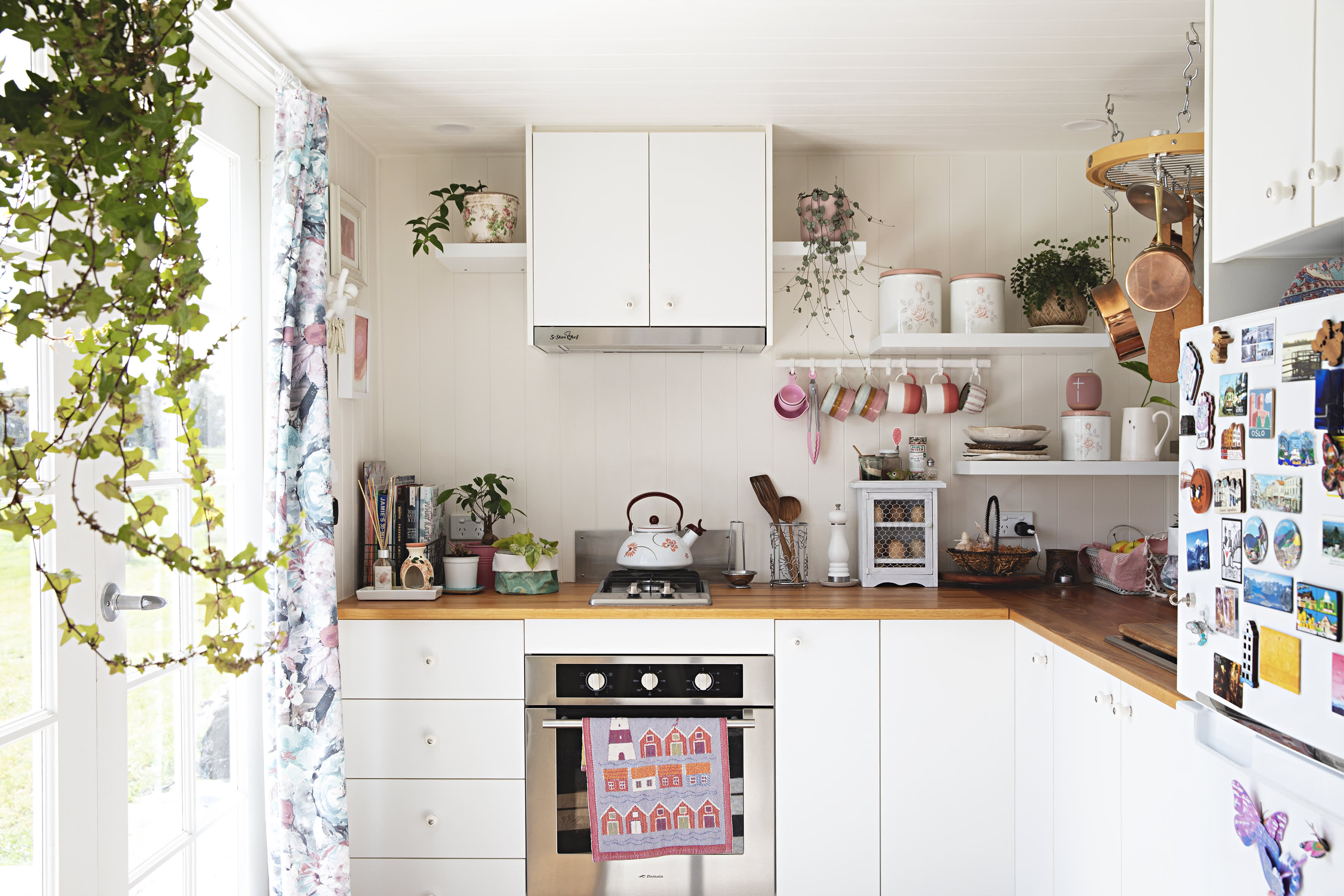
The power of vertical storage lies in elevation. Knives suspended on a magnetic strip reduce drawer chaos and eliminate bulky blocks. Hanging ladles, pans, and spatulas leave counters pristine and create a professional, aesthetically pleasing display. Mug hooks, plant risers for herbs, and suspended paper towel bars introduce free-floating convenience without sacrificing style.
A wall acts like an untapped cabinet. Each segment offers potential for orderly storage. When thoughtfully utilized, vertical spaces bestow serenity and openness to the countertop.
Stackability: The Geometry of Space Efficiency
Stacking is not merely practical, it is geometric precision in domestic form. Containers, mixing bowls, storage jars, and cookware that nest create structured order. Look for brands that design coordinated sets where each size fits securely within another. Uniform silhouettes enable symmetrical alignment that is both pleasing and purposeful.
Modern innovations include stackable spice jars with modular lids, nesting food containers with single universal tops, and dish sets engineered to occupy minimal shelf space. Slim line modular storage bins slide seamlessly into refrigerator shelves and pantry units, enabling near-architectural food organization.
Stackability reduces mess, increases speed of access, and eliminates the rummaging chaos that contributes to kitchen stress.
Under-Cabinet and Hidden Storage Enhancers
Under-cabinet storage transforms invisible gaps into functional territory. Slide-out drawers, mounted baskets, adhesive hooks, and retractable racks convert unused underside surfaces into premium zones. Some cutting boards and knife trays attach directly beneath cupboards, gliding out when needed and sliding discreetly away when not in use.
Hidden storage evokes luxury. It provides the sensation of spaciousness by minimizing exposed objects. Think concealed pull-out spice racks, narrow vertical pan holders, retractable appliance lifts, and toe-kick drawers at floor level. Small kitchens often hide opportunities beneath perception. Revealing these pockets brings efficiency and satisfaction.
Compact Appliances that Provide Big Performance
Appliances tend to dominate countertops, yet modern compact technology delivers remarkable function in sleek footprints. Instead of multiple machines, choose items with precision design, removable attachments, and thoughtful scale.
Mini blenders handle morning smoothies and sauce purées with ease. Handheld frothers create luxurious foam without bulky espresso gear. Stick blenders purée soups, whip batters, and emulsify dressings effortlessly. Compact air fryers, toaster ovens, and multi-tier steamers accomplish versatile cooking goals without sprawling presence.
Compact should never equal compromise. Many small appliances outperform their larger predecessors with modern engineering, lower energy use, and resourceful attachments.
Intelligent Food Storage to Avoid Clutter
Improper food storage contributes to counter crowding. Produce left loose, bread in crumpled bags, and pantry goods without uniform containers create visual chaos. Instead, adopt storage systems that maximize freshness and spatial clarity.
Clear stackable containers visually streamline open spaces and help monitor inventory. Produce keepers with moisture-regulating vents keep fruits crisp and leafy greens vibrant. Bread boxes with compact ventilation preserve loaves without countertop sprawl. Airtight canisters for grains and nuts protect texture while maintaining a sleek display.
Organized food reduces visible disorder and promotes healthier eating habits through clear visibility and planned access.
Foldable and Nesting Cutting Boards
Cutting boards are notorious for occupying awkward space. However, foldable boards bend into compact shapes, and nesting sets store vertically in slim racks. Some boards double as food funnels, transporting diced items directly into pans and containers.
Seek materials that resist warping and staining, such as composite fibers and silicone-reinforced plastics. Boards with embedded measurement guides, juice channels, and integrated handles offer multifunctional performance without bulk. A well designed cutting board contributes to space efficiency and cooking fluidity.
Sliding and Expandable Countertop Organizers
Expandable units allow customization. Sliding spice racks reveal tiers of seasonings in slim footprints. Telescoping shelf risers convert flat surfaces into layered ones. Adjustable utensil trays adapt to drawer shapes rather than forcing drawers to match their configuration.
Expandable solutions offer flexibility. They evolve with your kitchen, accommodating new tools, reorganizing needs, and seasonal shifts. This adaptability prevents clutter buildup and preserves spatial harmony.
Efficient Dish Drying Systems
Traditional drying racks consume precious counter real estate. Instead, opt for compact rack systems that fold away or mount discreetly. Roll up drying mats sit flat over sinks, providing drainage and ventilation, then roll into narrow tubes for storage. Wall mounted racks hold dishes vertically, drying naturally while occupying minimal visible area.
Sink-top drying trays and angled dish stands reduce countertop moisture and clutter. With smart water drainage, they also reduce mold risk and promote hygiene.
Drawer Dividers and Minimalist Utensil Management
Drawers without structure quickly devolve into clutter. Dividers, modular trays, and adjustable compartments create designated spaces for cooking spatulas, peelers, thermometers, and whisks. Minimalist storage habits encourage intentional curation. Keep only what you use frequently, and choose compact versions when possible.
Long narrow trays utilize the full length of drawers, allowing tools to sit neatly rather than overlapping. Soft silicone dividers adjust to shape and hold irregular utensils in place. When tools are organized internally, counters stay clear and culinary tasks feel lighter.
Cutting Down Physical and Mental Chaos
Counter clutter creates distraction. Piles of utensils, bulky appliances, and stacks of pans undermine enjoyment and impair productivity. Space saving equipment contributes to more than organization. It reduces mental load and improves cooking pleasure.
Clear spaces invite creativity. Less visible clutter means fewer sensory demands, offering a sense of calm. Cooking becomes immersive, rhythmic, even meditative. In serene environments, you notice flavor more deeply, plate more thoughtfully, and move more smoothly. The countertop becomes an intentional zone rather than a catch-all.
Creative Substitutions for Oversized Tools
Large gadgets are often unnecessary. Instead of a bulky bread maker, use a Dutch oven. Replace an enormous griddle with a reversible stovetop grill plate. Substitute giant salad spinners with compact mesh strainers lined with towels. Exchange bulky mandolines with hand slicers or box graters featuring cutting attachments.
Creative simplification fosters skill development. It also enhances appreciation for craftsmanship, proving that cooking mastery arises from technique, not just equipment.
Floating Shelves and Tiered Displays
Floating shelves blend décor with function. They allow attractive, space-conscious presentation for essential items like coffee mugs, herb jars, tea canisters, and decorative bowls. Tiered displays add vertical dimension atop counters without sprawling horizontally.
Opt for narrow shelf profiles to avoid overwhelming sight lines. Display only frequently used or aesthetic essentials. When properly curated, open systems add character and convenience without clutter.
Under-Sink Optimization
Below sinks lies untapped storage potential. Adjustable tension rods hold cleaning bottles, hanging baskets organize scrubbers and sponges, and multi-tier pull-outs store dish soap, waste bags, and towels. Waterproof bins protect supplies and maintain structure.
Maximizing under-sink space prevents cleaning items from sitting on counters, helping maintain a spotless surface.
Space Saving Pantry Staples and Packaging
Bulk packaging often wastes space. Choose slender containers, compact spice jars, collapsible cereal bags, and flexible pouches for pantry goods. Repackage large items into sleek storage for uniform shape and efficient alignment.
Pantry optimization contributes directly to countertop sanity. When pantry items are controlled, spillover clutter declines. Tidy pantries support tidy counters.
Convertible Kitchen Furniture
Convertible furniture expands capability without permanent bulk. Fold-down wall tables double as prep areas. Rolling carts store appliances and ingredients, then slide away when not in use. Stackable stools tuck into corners or hang from wall hooks.
Furniture should serve you only when needed, disappearing when dormant. Mobility, flexibility, and collapsibility define the contemporary compact kitchen ethos.
Habit and Ritual in Maintaining Space
Space saving tools only work when paired with habit. Daily clearing, intentional placement, and mindful tool selection reinforce order. Adopt a ritual. Wipe counters after every meal. Put each utensil back immediately. Return appliances to drawers or carts rather than letting them linger.
Consistency transforms kitchen behavior. With practice, maintenance becomes second nature, and your cooking sanctuary remains pristine, inspiring, and efficient.
Final Thoughts on Functional Minimalism
Living with less is not deprivation. It is liberation. Space saving kitchen essentials empower home cooks to move with grace, maintain clarity, and enjoy culinary tasks fully. Whether your space is enormous or tiny, the objective remains the same. Maintain surfaces open, tools purposeful, and movement effortless.
When kitchen objects serve multiple purposes, collapse gracefully, mount vertically, and nest harmoniously, your counter becomes more than a workspace. It becomes a canvas for creativity, an arena for nourishment, and a testament to thoughtful living.
About the Author


