
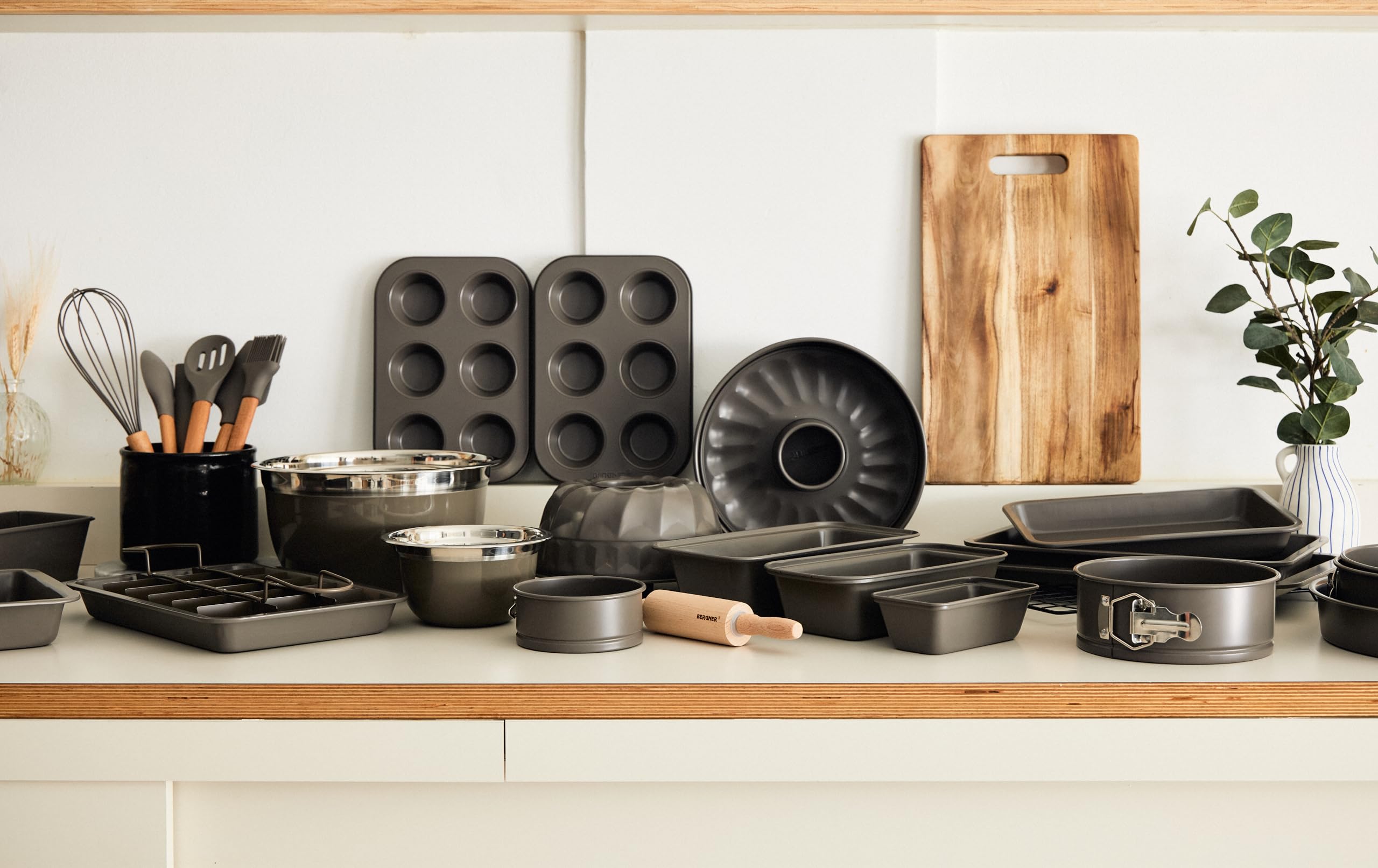
Stepping into a kitchen that exudes structure, calm, and divine culinary flow brings instant clarity to any cooking routine. Whether preparing a grand family dinner or composing a humble weekday meal, the space around you shapes efficiency. A systematized culinary zone fosters a sense of ease, precision, and rhythm. In the realm of culinary mastery, true comfort comes not from extravagance, but from order. Having organized kitchen essentials at hand ensures every tool, ingredient, and surface works in harmony. With an orderly kitchen, tasks that once felt taxing begin to feel meditative, even delightful.
The Philosophy of an Organized Kitchen
Organized cooking is not only about tidiness, nor solely about elegant storage. It is a philosophy rooted in minimizing effort while maximizing results. Every utensil should have a designated space, every ingredient should be visible or easily accessible, and every workflow should feel seamless. Think of a kitchen as a conductor’s baton. Chaos produces noise, but discipline orchestrates a symphony. When you reduce friction in your cooking routine, mental clarity flourishes, culinary creativity thrives, and meal preparation time shrinks astonishingly fast.
The Foundations of Structured Culinary Spaces
Before diving into gadgets, it helps to evaluate fundamental elements that anchor an orderly kitchen environment. These essentials form the framework for every productive cooking journey.
Functional Cabinet and Drawer Systems
Cabinet interiors should not become black holes where utensils vanish into oblivion. Instead, using drawer dividers, shelf risers, and pull out organizers transforms deep storage into a neatly visible catalog. Separate zones for spices, baking tools, and food storage can prevent unnecessary rummaging. In essence, if you can see it, you can use it. If it disappears into the abyss, culinary momentum dissolves.
Clear Countertops for Better Focus
Countertops should serve as active working surfaces, not dumping grounds for miscellaneous clutter. When appliances are minimal and surfaces remain unencumbered, the act of chopping vegetables, kneading dough, or assembling mise en place feels almost ceremonial. The fewer distractions in sight, the greater the precision in technique and time management.
Vertical Storage Utilization
Walls are often underutilized, yet they offer supreme value. Hooks for utensils, magnetic strips for knives, and mounted shelves unlock vast organizing potential. Vertical orientation not only conserves space, but also elevates accessibility, making you feel like a professional home chef reaching for tools like a conductor grabbing instruments mid-performance.
Smart Containers and Storage Solutions
One hallmark of a well arranged kitchen lies in container systems designed for visibility and longevity. Things must be seen to be remembered, and they must be accessible to be useful.
Airtight Pantry Containers
Investing in airtight containers for grains, spices, flours, and nuts keeps freshness intact and provides neat uniformity. Labels enhance clarity, while transparent exteriors allow instant ingredient recognition. This practice saves astounding time otherwise wasted searching for basics.
Stackable Food Storage
Stackable containers minimize wasted cabinet or refrigerator space. Their modular nature ensures neat alignment, avoiding chaotic leaning towers of mismatched bowls. From leftover soups to chopped produce ready for recipe deployment, stackability fosters systematic organization.
Lazy Susans and Turntables
Circular turntables add elegance to pantry storage and refrigerator corners. Spin, locate, select. No reaching behind or knocking over jars. This mechanism simplifies kitchen navigation, especially for condiments and sauces.
Efficient Tool Placement
Tools should always rest where usage frequency dictates. That means most used utensils belong closest to your hands, while seldom used pieces can take distant residence.
Cooking Utensils Close to the Stove
Spatulas, tongs, whisks, ladles, and wooden spoons need prime real estate near your cooktop. A utensil crock on the counter or mounted rack ensures immediate access mid-sauté or mid-stir.
Knife Storage for Safety and Accessibility
A knife block, drawer insert, or magnetic strip protects blades while granting swift retrieval. Proper knife storage also improves longevity and safety, preventing accidental nicks or dull edges.
Cutting Boards Within Arm’s Reach
A sturdy cutting board is foundational for prep tasks. Sliding boards into vertical racks beside the counter or hanging them on a wall ensures they are instantly reachable. Rotating through multiple boards also allows seamless transitions between chopping vegetables, slicing meat, or preparing fruit.
Decluttering for Enhanced Clarity
A cluttered kitchen equals a cluttered mind. Simple decluttering habits transform cooking energy dramatically.
Dedicating Space for Trash and Compost
Having a specific bin for waste and a separate container for compost reduces movement and cleanup time. Install slide out trash compartments or keep compost crocks near prep zones to streamline disposal.
Eliminating Duplicate Tools
Multiple peelers or many identical spatulas serve little purpose. Curate your collection with intention. Choose multipurpose pieces wherever feasible to avoid tool overload.
Practicing Weekly Decluttering Rituals
Schedule brief weekly sessions to reorganize drawers, wipe containers, and discard expired goods. Maintenance is more effective than occasional deep cleaning, and it prevents kitchen chaos from creeping in.
Innovative Organization Tools
Modern kitchens benefit from creative organizing innovations that simplify workflows.
Drawer Inserts for Knives and Utensils
Tailor-fit inserts prevent rattling utensils and cluttered piles. Each slot becomes a home, reinforcing order naturally.
Over the Sink Cutting Board Systems
Boards with collapsible colanders or integrated bowls streamline ingredient washing, chopping, and collecting. A multi-function prep system saves counter space and reduces dish use.
Expandable Shelf Risers
These clever risers create multiple tiers in cabinets, doubling vertical storage capacity. Canned goods, mugs, and dish sets suddenly occupy space smartly.
Pull Out Pantry Racks
Slim pull out racks fit narrow cabinet slots and reveal pantry contents in one simple glide. Spices, oils, jarred vegetables, or grains become instantly visible.
Meal Prep Stations for Smooth Workflows
Organized cooking thrives on designated areas for ingredients, slicing zones, and waste disposal.
Dedicated Cutting and Prep Zone
Place knives, boards, prep bowls, and towels in one clear area. When chopping vegetables or portioning proteins, this station eliminates back-and-forth pacing.
Spice Arrangement for Flavor Mastery
Arrange spices alphabetically or by category. Curry powders near masala blends, Italian herbs grouped with rosemary, sage, and thyme, and chili powders aligned with hot paprika. An organized spice system elevates culinary dexterity and speeds seasoning operations.
Ingredient Baskets for Weekly Cooking
Sort frequently used items into baskets in your fridge or pantry. Weekly ingredient bins minimize pantry scanning time and maintain ingredient rotation effortlessly.
Small Appliance Efficiency
Strategically selected appliances maintain momentum in busy kitchens.
Food Processor for Fast Chopping and Blending
A compact yet powerful processor transforms vegetables into minced perfection within seconds. From sauces to dough, its versatility unlocks new efficiency tiers.
High Power Blender for Smooth Textures
Smoothies, soups, dressings, and purees all benefit from a reliable blender. When placed on the counter within reach, usage frequency increases, nurturing healthier and quicker meal approaches.
Hand Mixer for Quick Baking Prep
A hand mixer simplifies whipping cream, mixing cake batter, or preparing mashed potatoes. It takes less space than stand mixers, ideal for minimalist kitchen setups.
Time Saving Cookware and Tools
Certain kitchen items drastically enhance speed and order.
Multi-compartment Meal Prep Containers
These containers keep meals organized for weekly planning. Seamless stacking and portion segregation reduce fridge clutter.
Instant Pot or Multi Cooker
A multi cooker functions as a pressure cooker, slow cooker, rice maker, steamer, and more. It consolidates appliances and keeps counters spacious while accelerating cooking significantly.
Cast Iron Skillet for Versatile Cooking
With excellent heat retention and adaptability, cast iron pans help sear, bake, sauté, and roast. Their longevity and durability align perfectly with long term kitchen order systems.
Nonstick Sheet Pans and Oven Racks
Sheet pans streamline one pan meals and roasting tasks. Racks elevate ingredients, ensuring even cooking and easy cleanup.
Pantry Organization for Maximum Productivity
A thoughtful pantry system prevents forgotten items and last-minute grocery runs.
Categorized Shelf Sections
Establish dedicated spaces for grains, legumes, canned goods, snacks, baking supplies, and oils. Clear categories accelerate meal multitasking and grocery inventory checks.
Glass Jars for Aesthetic and Functionality
Clear jars offer sophistication and instantly show food levels. Whether housing lentils or dried fruit, glass creates visual harmony with purpose.
Snack Bins for Quick Access
Snack stations keep casual food organized and prevent wrappers from migrating around your kitchen. Assign bins to cereals, nuts, bars, and dried fruit.
Refrigerator and Freezer Structuring
Cold storage organization sustains ingredient freshness and culinary agility.
Fridge Zones for Ingredients
Assign shelves to dairy, produce, proteins, condiments, and leftovers. Consistency in placement sharpens memory and reduces food waste.
Transparent Storage Bins
Baskets and bins inside the fridge collect similar items. Place salads ready to grab, pre-cut vegetables for stir-fries, and breakfast essentials like yogurt and berries in clear bins.
Freezer Labeling and Sectioning
Freezers often become dumping grounds. Use labels and date items to prevent freezer burn and encourage timely consumption.
Clean as You Go Method
A hallmark of structured kitchens is cleanliness during cooking. With this method, utensils are washed or wiped as dishes progress, ensuring the final cleanup is minimal. Keeping towels nearby, maintaining a sponge holder, and having soap dispensers accessible all support fluid cleaning habits.
The Role of Lighting in Organization
Adequate lighting enhances visual clarity and promotes focus. Under cabinet lighting, pendant fixtures over work zones, and bright overhead illumination all support an organized experience. Shadows diminish precision. Light enhances confidence.
The Emotional Benefit of Organized Cooking
A tidy kitchen nurtures mental serenity. When appliances gleam, floors remain spotless, and drawers glide open to reveal order, cooking feels inspirational rather than obligatory. The kitchen morphs into a personal sanctuary where flavors, textures, aromas, and creativity flourish free of chaos.
Final Thoughts Without Concluding
A kitchen is not merely a food preparation zone. It is an ecosystem of movement, rhythm, and thoughtful flow. Establishing order is not a one time act, but a lifestyle approach. With the right systems, containers, storage tools, and workflows, every culinary session becomes smoother, swifter, and more pleasurable. The consistent practice of organization turns cooking from a task into a rewarding ritual, enhancing not only the food produced, but the experience itself.
About the Author


