
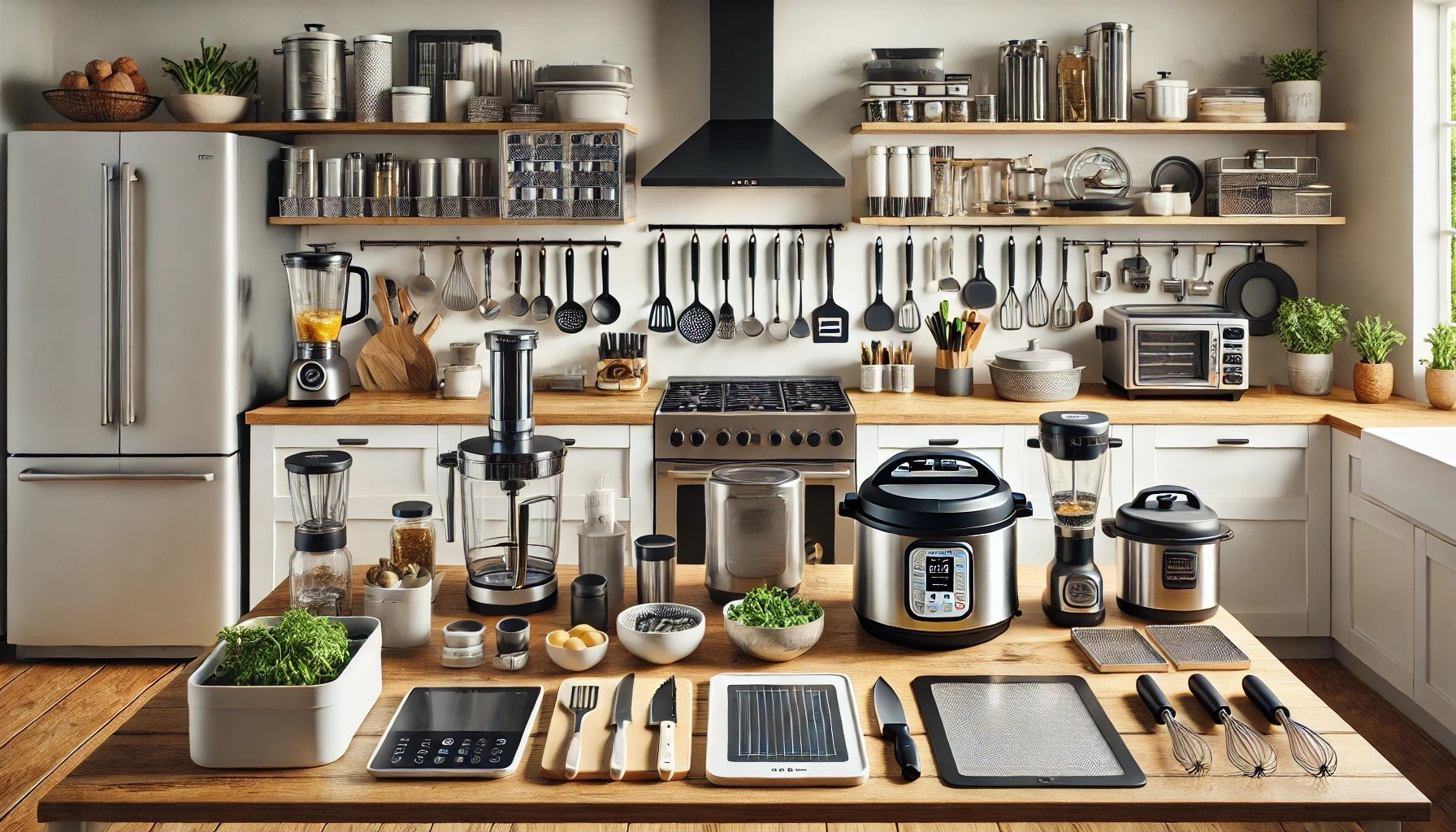
In a world where culinary tasks compete with daily responsibilities, the kitchen becomes a command center. A well equipped cooking space does not simply serve as a place to prepare meals. It functions as a productivity hub where time management, precision, and intelligent organization converge. This guide explores innovations, timeless tools, and ingenious accessories that collectively boost kitchen efficiency through streamlined workflows and purposeful design. Whether cooking is an everyday ritual or a weekend passion, the way tools complement habits can redefine proficiency.
The Foundation of an Efficient Kitchen
True kitchen efficiency begins with intentional structure. Clutter, disorganization, and inadequate tools create unnecessary friction. The most efficient kitchens resemble well oiled workstations where motion is fluid and tools are within immediate access. Before exploring advanced gadgets, fundamentals should be addressed.
First, storage systems matter. Cabinets that swallow items without visibility waste energy. Optimally arranged drawers with dividers allow utensils to rest in designated spaces. Open shelving offers quick access to everyday items, though it requires disciplined upkeep. If storage is scarce, wall mounted racks or magnetic strips provide practical alternatives. A space where every tool has a defined position reduces hesitation and accelerates movement.
Second, work zones increase functional control. Separating areas for food prep, cleaning, cooking, and plating reduces cross contamination and avoids overcrowding. The concept is similar to professional kitchens that adhere to mise en place principles. Establishing specific areas allows tasks to unfold logically, minimizing unnecessary backtracking.
Third, surface quality impacts speed. A spacious countertop improves workflow significantly. When counters are filled with decorative objects or seldom used appliances, productivity suffers. Keeping surfaces clear ensures room for chopping, mixing, rolling, and assembling. Decluttering becomes the cornerstone of seamless culinary motion.
Cutting Tools that Prioritize Precision and Speed
Cutting implements represent the backbone of any kitchen workflow. Sharp blades accelerate tasks, minimize physical effort, and maintain ingredient quality. With a subpar knife, even the most confident cook faces avoidable difficulty.
A chef knife is indispensable. It handles chopping, slicing, dicing, and mincing with grace. High carbon stainless steel ensures durability, while ergonomic handles support extended food prep sessions. Paired with this, a paring knife offers precision for small vegetables, fruits, and garnishes, complementing the chef knife’s larger profile.
A serrated bread knife assists with crusty loaves, delicate pastries, and soft produce. Without serration, soft bread compresses rather than slices cleanly. A knife sharpener must accompany the set. Manual whetstones require practice yet deliver razor sharp perfection. Pull through sharpeners provide speed for those seeking simpler maintenance.
Cutting boards also matter. Wood and bamboo boards are gentle on knives and durable for long term use. Plastic boards, often favored for raw meat, mitigate contamination risk. Rotating boards for different ingredients reinforces sanitary discipline.
Cookware Built for High Performance
Efficient cookware amplifies heat distribution, enhances cooking technique, and minimizes cleanup. Heavy gauge stainless steel pans distribute heat evenly, preventing hot spots and scorching. Cast iron skillets retain heat exceptionally well, excelling in searing, baking, and frying. Although they require seasoning, their longevity and versatility justify commitment.
Nonstick pans simplify delicate food handling, such as eggs or pancakes. However, they should be reserved for specific tasks rather than daily frying of high heat foods, which may degrade coatings. Dutch ovens serve multi purpose functions: simmering, braising, baking, slow cooking, and deep frying. They bring warmth and depth to soups, stews, and artisan bread.
Sheet pans and baking dishes streamline roasting and oven batching. A high rimmed sheet pan prevents spills, while parchment liners accelerate cleanup. These pans transform vegetables into caramelized perfection and deliver crisp textures to roasted proteins.
Appliances that Save Time and Effort
Modern technology provides sophisticated devices designed to accelerate repetitive cooking tasks. Yet careful selection is vital. The most efficient appliances justify counter space with frequent use.
A food processor exemplifies versatility. It chops vegetables in seconds, kneads dough rapidly, and shreds cheese faster than manual methods. Its ability to puree sauces and create nut butters reduces preparation time dramatically. A blender complements the processor, smoothing soups, blending shakes, and facilitating emulsification.
An electric kettle speeds water boiling, making tea preparation swift and aiding pasta and soup cooking by pre boiling water. Pressure cookers compress time significantly. Traditional dishes requiring hours become feasible in under half the time. Nutrients are preserved and textures remain vibrant.
A slow cooker provides long form convenience. Ingredients simmer while tasks continue elsewhere. For busy households, this appliance offers a dependable route to wholesome meals with minimal oversight. Finally, a toaster oven or air fryer enhances crisping, reheating, and small batch baking without full oven preheat times.
Storage Solutions for Long Term Freshness
Food storage is foundational to efficiency. Without proper preservation, ingredients perish prematurely, increasing waste and forcing additional shopping trips. Airtight containers keep perishables crisp, grains dry, and leftovers fresh. Glass containers serve well due to durability, microwavability, and clear visibility.
Vacuum sealed bags extend longevity further. They remove oxygen to prevent freezer burn and maintain texture. For dry ingredients such as flour, sugar, pasta, and legumes, labeled jars create clarity and instant recognition. Stackable designs conserve cabinet or pantry space.
Refrigerator organization also matters. Placing produce in designated bins, storing herbs in water containers, and using lazy Susans for condiments improve accessibility. Cold storage maps help ensure dairy, meat, and vegetables reside in temperature appropriate zones, extending quality.
Utensils and Tools that Improve Workflow
Small tools often make substantial differences. Tongs operate as extensions of hands, maneuvering food effortlessly without puncturing delicate surfaces. Silicone spatulas are heat resistant and flexible, making them ideal for stirring, scraping, and folding.
A bench scraper consolidates chopped items and helps divide dough. A digital scale increases recipe accuracy while reducing guesswork. Oven thermometers validate heating consistency, assisting bread bakers and roasters alike.
Timers prevent overcooking and multitasking mishaps. Peelers, zesters, box graters, and microplanes accelerate garnish preparation. Meanwhile, stainless steel mixing bowls with non slip bases support whisking without slipping. Their nesting design saves cabinet space.
Cleaning Tools that Sustain Momentum
Kitchen efficiency collapses without cleanliness. Tools must be easy to wash, and cleaning supplies accessible. A sturdy dish rack facilitates aerated drying while microfiber cloths absorb spills swiftly. Non abrasive scrub brushes protect delicate surfaces without sacrificing scrubbing power.
Soap dispensers with pump tops streamline dishwashing rhythm. Compost bins under sinks simplify sustainability efforts while containing odors. When surfaces remain tidy, cooking feels approachable rather than arduous. Clean as you go routines elevate productivity.
Smart Layout and Ergonomic Design
Ergonomics deserves consideration in kitchen planning. Heights of countertops, widths of aisles, and positions of appliances influence comfort. When utensils, pots, and spices reside where hands naturally reach, movement feels effortless.
Installing drawer organizers eliminates rummaging. Rotating spice racks reveal seasonings instantly. Pan racks prevent clattering stacks that delay retrieval. Ergonomic handles on tools reduce wrist strain during extended prep.
Floor mats cushion feet during prolonged cooking. Adequate lighting, including task lighting above prep areas, enhances visibility. Poor illumination leads to errors and visual fatigue. Ventilation systems remove aromas and grease, maintaining pleasant air quality.
Batch Cooking and Organizational Strategies
Efficiency transcends tools; it also involves habits. Batch prepping ingredients, chopping vegetables, and portioning proteins in advance accelerates weekday cooking. Freezing pre cooked grains, sauces, and soups adds convenience.
Labeling containers with dates and contents prevents confusion. Rotating pantry goods avoids expiration. Setting up weekly meal plans ensures grocery shopping supports streamlined execution. With ingredients ready, cooking becomes assembly rather than lengthy preparation.
Specialty Items for Ambitious Cooks
For those who explore advanced culinary territory, certain tools elevate efficiency further. A mandoline slicer creates uniform slices with precision. Sous vide machines regulate temperature consistently, producing tender or perfectly cooked proteins. Stand mixers deliver impeccable doughs, batters, and whipped ingredients.
Mandolines demand caution but transform presentation effortlessly. Sous vide devices minimize guesswork and retain nutrients. Stand mixers cut kneading times dramatically and accommodate attachments like pasta rollers or grinders.
Durable Materials and Longevity
Efficiency is not merely about speed; durability matters. Cheap tools break, warp, or rust, causing disruption. Stainless steel, cast iron, hardwood, and high quality silicone endure intensive use. Avoiding disposable plastics reduces environmental impact and replacement costs.
Sustainable tools crafted from bamboo, recycled metals, or tempered glass align with long term ecology. Investment in quality yields smoother performance, reliability, and consistent outcomes.
Space Savers for Compact Kitchens
Small kitchens can thrive through clever design. Collapsible colanders fold flat for cabinets. Nested bowls and measuring cups conserve shelf space. Over sink cutting boards extend workspace. Stackable cookware eliminates clutter.
Hanging pot rails liberate cabinet real estate. Slim rolling carts slide beside appliances for hidden storage. Vertical shelving maximizes otherwise unused wall space. Each strategic choice magnifies spatial efficiency.
Thermal Tools for Temperature Mastery
Cooking thrives when temperature is controlled. Instant read thermometers verify internal meat temperatures swiftly. Cast iron trivets protect surfaces. Heat resistant mats guard countertops near stovetops.
Thermal carafes maintain beverage temperature, reducing reheating frequency. Double walled stainless steel bottles keep sauces warm during extended prep. Temperature precision enhances food safety and culinary finesse.
Fine Tuning Ingredient Handling
Ingredient control plays a crucial role in speed and order. Herb keepers maintain freshness longer. Produce bags preserve crispness. Oil dispensers offer controlled pouring, avoiding slick surfaces and waste.
Salt cellars positioned near stoves permit quick seasoning. Pepper mills generate fresh aromas and superior flavor. Flour sifters guarantee uniform texture in pastries and bread doughs. These details forge consistency and poise in the kitchen.
Multitasking Tools with Versatility
Tools that serve multiple functions conserve space and time. Immersion blenders puree soups directly in pots, reducing dishwashing. Dutch ovens travel seamlessly from stovetop to oven. Convertible cutting boards include built in strainers or storage compartments.
Stackable steamer inserts utilize vertical cooking space. Rice cookers double as steamers or slow cookers depending on the model. Collapsible storage containers expand when filled, retract when empty. Versatility translates into quick transitions between tasks.
Heat Control and Cooking Stability
Heat control tools such as stove guards, splatter screens, and flame tamers improve cooking safety and cleanliness. Cast iron diffusers regulate heat under delicate sauces. Splatter screens prevent oil droplets from reaching surfaces, reducing cleaning time later.
Sturdy pot holders shield hands while offering stability. Weighted lids contain moisture when needed and release steam when tilted. Heat proof utensils maintain integrity in high temperatures, avoiding melting or warping.
Maintaining Knives and Metal Tools
Knife maintenance determines cutting performance. Sharpeners, honing rods, and proper storage preserve edge quality. Magnetic strips, knife blocks, or blade guards protect edges from dulling. Washing knives by hand prolongs lifespan compared to dishwashers.
Stainless steel cleaners restore shine to cookware. Cast iron care involves seasoning techniques to preserve nonstick patina. Attentive maintenance reduces replacements and sustains efficiency.
Pantry Enhancements for Streamlined Cooking
A stocked pantry accelerates meal preparation. Spices, oils, vinegars, grains, and canned goods empower improvisation. Uniform jars with labels enable instant ingredient recognition. Tiered shelf risers increase visibility of short jars.
A rotating lazy Susan brings back row items to the forefront. Airtight cereal containers prevent staleness. Snack bins cluster light bites for easy access, reducing pantry rummaging.
Beverage Preparation Tools
Even beverages benefit from efficient setups. Coffee grinders, high quality filters, and airtight coffee storage help achieve better brews quickly. Tea infusers and kettles provide temperature specificity. Water filters enhance taste and reduce bottled water reliance.
Reusable metal straws and spill proof travel mugs contribute to sustainability and convenience. Ice molds generate slow melting cubes, ideal for chilled beverages and culinary uses.
Safety Measures that Support Productivity
Safety sustains efficiency. Fire extinguishers, silicone pot holders, and anti slip mats prevent accidents. First aid kits with burn cream, bandages, and antiseptic wipes ensure fast response if mishaps occur. Smoke detectors and carbon monoxide alarms protect long term wellbeing.
Knife skills and proper handling habits minimize injury risk. Educating everyone who uses the kitchen increases overall security. When safety prevails, cooking continues uninterrupted.
The Psychological Impact of an Efficient Kitchen Environment
A well organized kitchen inspires confidence and creativity. Clean counters, accessible tools, and reliable appliances cultivate momentum. Disorder introduces hesitation, stress, and wasted seconds.
Sound landscapes matter too. Quiet appliances reduce noise fatigue. Smooth cabinet hinges maintain calm. Soft closing drawers prevent abrupt clatter. Lighting establishes mood, clarity, and focus. When ambiance supports workflow, cooking feels pleasurable rather than laborious.
Evolution of Kitchen Tools and Trends
Culinary innovation continues to evolve. Smart appliances integrate with mobile devices, offering automated functions and temperature monitoring. Compact appliances serve modern small scale living environments. Sustainable materials replace disposable plastics more frequently.
Trends emphasize ergonomic engineering, modular storage, and multifunctional gadgets. Efficiency reflects cultural shifts toward conscious consumption, reduced waste, and healthier home cooking. Tools adapt to lifestyles that balance speed with meaningful nourishment.
Shopping Considerations for Quality Tools
Selecting essentials requires discernment. Evaluating build material, ergonomic comfort, heat tolerance, and manufacturer credibility helps ensure wise purchases. Warranty options and user reviews offer additional insight. Tools should match cooking style and space capacity.
Avoid impulse buying. Each item should earn its place in the kitchen by fulfilling genuine needs. Quality over quantity becomes the guiding principle. A cohesive tool set with intentional pieces outperforms an assortment of rarely used gadgets.
Maintaining Flow Through Routine
Consistency in kitchen habits develops fluidity. Returning tools to designated spots preserves order. Prompt dishwashing deters pileup. Weekly pantry inspections prevent expiration surprises. Meal plans reduce impulse cooking stress.
The kitchen becomes an ecosystem where every movement feels intuitive. Efficient practices build upon each other, culminating in mastery and ease.
About the Author


